
Bed Bugs in North Carolina: How to Spot Them and What to Do Next
The Short Answer
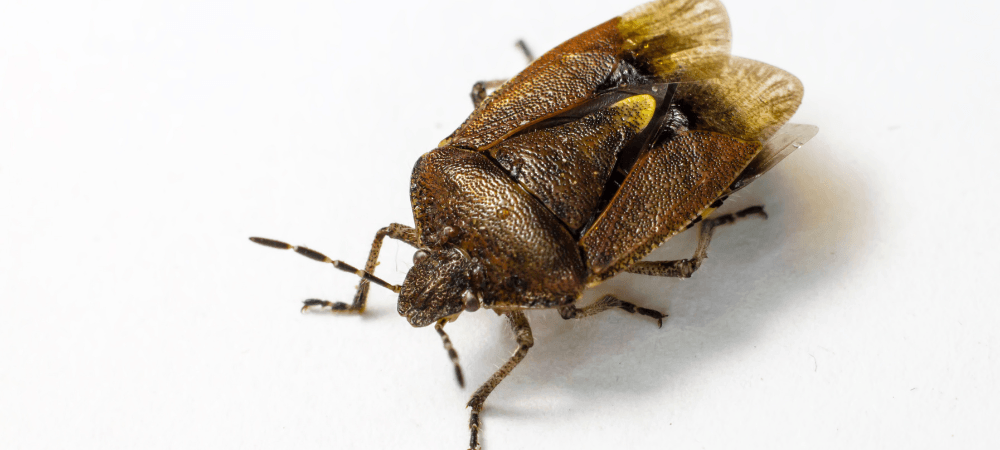
Bed bugs are small, reddish-brown insects that hide in mattress seams, furniture, and cracks near where people sleep, then come out at night to feed on blood. They aren't a sign of a dirty home — they hitchhike in on luggage, secondhand items, and other belongings — and the most reliable way to confirm and fully resolve an infestation is a professional inspection and treatment, since bed bugs are notoriously good at hiding and surviving DIY attempts.
Signs of Bed Bugs to Look For
Bed bugs are elusive by nature, so most people notice the evidence they leave behind before they ever spot a live insect. Because a bed bug problem can look similar to other issues — allergies, other biting insects, or even other small household pests — it helps to know the specific clues to look for.
Bites Arranged In A Line Or Cluster
Bed bug bites often appear as small, itchy, red welts grouped in a line or a tight cluster, sometimes described as a "breakfast, lunch, and dinner" pattern where the insect feeds a few times in the same area before moving on. That said, reactions vary widely from person to person — some people show no visible reaction at all — so bite patterns alone shouldn't be treated as definitive proof.
Small Blood Spots On Sheets
Tiny reddish-brown or rust-colored spots on sheets, pillowcases, or mattress seams can appear when a bed bug is crushed after feeding, or when a bite continues to seep slightly overnight. These spots are usually small and may smear slightly, which distinguishes them from other types of staining.
Dark Fecal Spots
Bed bugs leave behind small, dark, ink-like spots (fecal droppings) along mattress seams, box springs, headboards, and baseboards. These spots can bleed slightly into fabric the way a marker would, and finding a cluster of them is often one of the clearest signs of an active or former hiding spot.
Shed Skins And Eggshells
As bed bugs grow, they molt and leave behind pale, empty exoskeletons that are roughly the size and shape of the insect itself. Tiny, pale, oval eggs or eggshell casings may also be found tucked into seams and crevices. Finding shed skins is a strong indicator that bed bugs have been living and developing in that spot for some time.
Live Insects Or A Musty Odor
Adult bed bugs are flat, oval, reddish-brown, and roughly the size of an apple seed, though they appear more swollen and elongated after a blood meal. In larger or long-standing infestations, some people also report a faint, musty, sweetish odor from the insects' scent glands, though this is a less reliable sign than physical evidence.
Why Bed Bugs End Up in North Carolina Homes
One of the most important things to understand about bed bugs is that they have nothing to do with how clean a home is. Bed bugs aren't drawn to dirt, food residue, or clutter the way ants or cockroaches might be — they're drawn to warmth, carbon dioxide, and a steady source of blood meals, which means they can turn up in immaculately kept homes just as easily as anywhere else. This is a genuinely important myth to clear up, because the stigma around bed bugs often causes people to delay dealing with the problem out of embarrassment, which only gives the insects more time to spread.
Instead, bed bugs are hitchhikers. They typically enter homes by clinging to luggage after travel, riding home in used furniture, mattresses, or rugs, or traveling in bags, backpacks, and clothing after a visit to an infested space like a hotel, workplace, public transit seat, or another person's home. Because they can move between apartment units through shared walls, outlets, and plumbing, multi-unit housing can also see bed bugs spread from one unit to a neighboring one. Clutter doesn't cause an infestation, but it can make an existing one harder to detect and treat, since it gives bed bugs more places to hide.
Think you may have a bed bug problem? Get a professional inspection.
Get A Free QuoteBed Bugs Vs. Carpet Beetle Larvae
Carpet beetle larvae are one of the most common insects mistaken for bed bugs, since both can turn up in bedding and upholstered furniture. Knowing the difference can save you time and worry before assuming the worst.
| Characteristic | Bed Bugs | Carpet Beetle Larvae |
|---|---|---|
| Body Shape | Flat, oval, smooth | Elongated, fuzzy, bristled |
| Color | Reddish-brown | Brown or striped with tufts of hair |
| Do They Bite? | Yes, they feed on blood | No, they feed on fabric, hair, and debris |
| Where Found | Mattress seams, bed frames, furniture near sleeping areas | Closets, carpets, stored fabrics, and pantries |
| Typical Damage | Bite marks on skin, blood and fecal spotting on bedding | Small holes or bare patches in fabric, wool, or stored dry goods |
If you're seeing small, fuzzy larvae rather than bites or blood spotting, a carpet beetle issue is far more likely — and it calls for a different treatment approach than a bed bug problem does.
How to Prevent Bed Bugs in North Carolina
Because bed bugs travel by hitchhiking rather than by seeking out a particular type of home, prevention is mostly about being cautious with what comes through your door.
Inspect Secondhand Furniture Before Bringing It Home
Used mattresses, box springs, couches, and upholstered chairs are a common way bed bugs enter a home. Before bringing any secondhand furniture inside, check seams, folds, and crevices carefully for live insects, shed skins, or dark fecal spotting.
Practice Safe Luggage Habits When Traveling
When staying in hotels or other shared lodging, inspect the mattress seams and headboard before unpacking, keep luggage off the bed and floor when possible, and unpack directly into a hard-sided or elevated surface rather than a closet. Washing and drying travel clothing on high heat as soon as you return home can also help kill any hitchhikers.
Use Mattress And Box Spring Encasements
Encasements designed to seal out bed bugs make it harder for them to establish themselves in the seams and crevices of a mattress or box spring, and they make it easier to spot an early infestation since the insects have fewer places to hide.
Vacuum Regularly Along Seams And Baseboards
Routine vacuuming of mattress seams, carpet edges, and baseboards can help pick up stray bed bugs or eggs before a small problem becomes a larger one. Be sure to seal and dispose of the vacuum bag or empty the canister outside the home afterward.
DIY vs. Professional Bed Bug Treatment
Bed bugs are one of the most difficult household pests to eliminate without professional help, largely because of how well they hide and how resilient their eggs can be to surface-level treatments.
DIY Approaches
- Sprays and foggers often only reach visible surfaces, missing eggs and bugs hidden deep in cracks and seams
- Heat and steam treatments require precise, sustained temperatures across an entire room to be effective
- Incomplete treatment can scatter bed bugs into neighboring rooms or units rather than eliminating them
- Multiple life stages (eggs, nymphs, adults) often require repeated, carefully timed treatments
Professional Treatment
- Thorough inspection identifies every hiding spot, not just the obvious ones
- Treatment plans are designed to address all life stages, including eggs
- Follow-up visits confirm the infestation is fully resolved
- Reduces the risk of an infestation spreading to adjoining rooms during treatment
This scattering risk is a genuine concern with DIY attempts — disturbing an infestation without eliminating it can push bed bugs further into a home or building rather than resolving the problem, which is part of why professional treatment is so strongly recommended once an infestation is suspected.
How Professional Bed Bug Treatment Works
- Inspection. A trained technician thoroughly examines sleeping areas, furniture, and adjoining rooms to confirm bed bug activity and identify every hiding spot.
- Treatment Plan. Based on the extent of the infestation, a tailored treatment approach is developed to address both visible bugs and hidden eggs.
- Treatment Application. Targeted treatment is applied to mattresses, furniture, baseboards, and other affected areas using methods designed to reach bed bugs at every life stage.
- Preparation Guidance. Homeowners are typically given specific steps to take before and after treatment, such as laundering bedding on high heat, to support the treatment's effectiveness.
- Follow-Up Visits. Because of the bed bug life cycle, follow-up inspections and, if needed, additional treatments help ensure the infestation is fully eliminated rather than just knocked back.
Frequently Asked Questions
What do bed bugs actually look like?
Adult bed bugs are flat, oval, reddish-brown insects roughly the size of an apple seed. After feeding, they appear more swollen and elongated, and often a brighter reddish color.
Do bed bugs mean my home is dirty?
No. This is one of the most persistent myths about bed bugs. They are attracted to warmth, carbon dioxide, and blood meals — not dirt or clutter — and can be found in spotless homes just as easily as anywhere else. There's no reason to feel embarrassed about a bed bug infestation; the sooner it's addressed, the easier it is to resolve.
Are bed bugs dangerous or do they spread disease?
Bed bugs are not currently known to transmit disease to humans. The main health concerns are itching and skin irritation from bites, and the risk of secondary skin infection that can result from scratching those bites. Some people also experience allergic-type reactions to bites.
How do bed bugs spread from place to place?
Bed bugs hitchhike. They commonly travel in luggage after hotel stays, in secondhand furniture and mattresses, and in bags or clothing after time spent in an infested space. In apartments or other multi-unit housing, they can also move between units through shared walls, outlets, or plumbing.
Can I get rid of bed bugs myself?
DIY treatments like sprays, foggers, and store-bought heat devices often fail to reach every hiding spot and every life stage, including eggs. Incomplete treatment can also cause bed bugs to scatter into nearby rooms rather than eliminating the problem, which is why professional treatment is generally recommended.
What affects the cost of bed bug treatment?
Cost generally depends on factors like the size of the infested area, how widespread the infestation is, the number of rooms or units involved, and the treatment method used. A professional inspection is the best way to understand the full scope of a specific situation.
How can I tell bed bugs apart from carpet beetle larvae?
Bed bugs are flat, smooth, reddish-brown, and feed on blood, leaving bite marks and blood or fecal spotting behind. Carpet beetle larvae are fuzzy or bristled, don't bite people, and instead feed on fabric, hair, and stored dry goods.
How long does it take to get rid of a bed bug infestation?
Timelines vary based on the size of the infestation and the treatment method used. Because of the bed bug life cycle and egg-hatching timeline, most professional treatment plans include a follow-up visit to confirm the infestation has been fully resolved.
When should I call a professional about bed bugs?
If you notice bite patterns, blood or fecal spotting on bedding, shed skins, or a live insect matching a bed bug's description, it's a good time to schedule a professional inspection. Acting early tends to make treatment simpler than waiting until an infestation has spread further.
Think You Have Bed Bugs?
Get a professional inspection and a treatment plan built around your home.