
Box Elder Bugs and Asian Lady Beetles: North Carolina's Fall Home Invaders
Bottom Line Up Front
Box elder bugs and Asian lady beetles are two different insects that show up in North Carolina homes at the same time each fall, for the same reason: they're looking for a warm place to spend the winter. Neither one is considered dangerous or structurally destructive, but both can invade in large numbers, leave stains or odors when crushed, and become a persistent nuisance from October through early spring. This guide covers how to tell them apart, why they target NC homes, and what actually helps keep them out.
How to Identify Box Elder Bugs and Asian Lady Beetles
What Box Elder Bugs Look Like
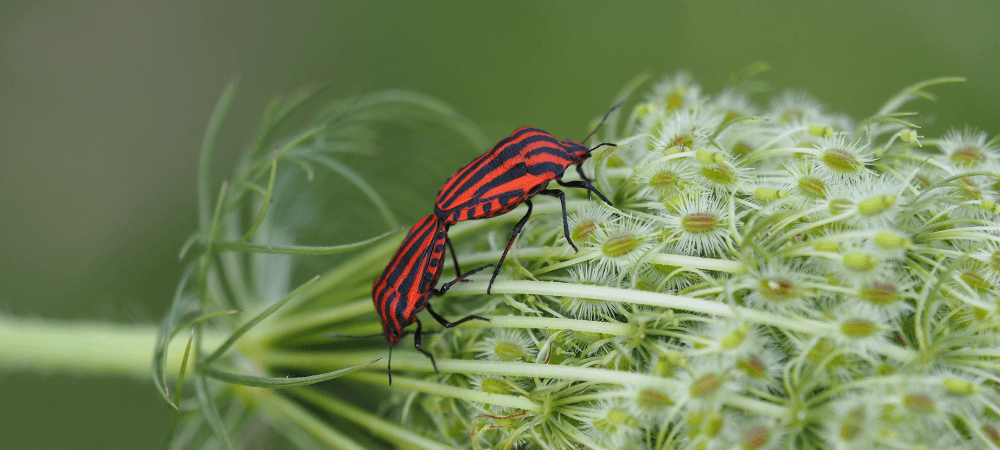
Box elder bugs are narrow, flat-backed insects that grow to roughly half an inch long. They're mostly black or dark brown with distinctive reddish-orange lines along the edges of their wings and body, giving them a striped appearance. Nymphs (immature box elder bugs) are more solid red or orange and lack fully developed wings. Adults tend to move slowly and are often found in tight clusters.
What Asian Lady Beetles Look Like
Asian lady beetles are frequently mistaken for native ladybugs, and for good reason — they're oval, dome-shaped, and typically range from yellow-orange to red. What sets them apart is variability: their spot count can range from none to nearly twenty on a single beetle, and most (though not all) have a small black marking shaped like the letter "M" or "W" just behind the head. That head marking is one of the more reliable ways to distinguish them from true ladybugs.
Where Each Pest Is Typically Found
Box elder bugs are almost always associated with box elder, maple, and ash trees, since their nymphs feed on the seeds and leaves of these species. They're commonly seen congregating on tree trunks, rocks, and the sun-facing sides of buildings in late summer and fall. Asian lady beetles, by contrast, spend the growing season in fields, orchards, and gardens feeding on aphids, and only move toward structures once that food source declines with cooler weather.
Key Visual Differences at a Glance
The fastest way to tell them apart is body shape and color pattern. Box elder bugs are elongated and flat with red-and-black striping, while Asian lady beetles are rounded, domed, and colored in solid shades of orange, yellow, or red with variable spotting. If you see a cluster of flat, striped bugs on a wall, it's box elder bugs; if you see rounded, dome-backed beetles, it's Asian lady beetles.
Why These Overwintering Pests Invade North Carolina Homes
Both box elder bugs and Asian lady beetles fall into a category entomologists call "overwintering pests" — insects that don't die off in winter but instead seek out a sheltered space to become dormant until spring. As temperatures begin to drop in fall, these insects are drawn to the sun-warmed exterior walls of homes, particularly on the south- and west-facing sides that soak up the most afternoon sun. That warmth signals a promising place to find shelter nearby.
For box elder bugs, the presence of host trees — box elder, maple, or ash — right next to or overhanging a home significantly increases the odds of an indoor invasion, since the insects are often already living and breeding in those trees before cooler weather sends them looking for cover. For Asian lady beetles, a strong late-summer aphid population in surrounding agricultural or landscaped areas tends to translate into a larger beetle population searching for overwintering sites once that food source dries up.
In both cases, the insects aren't trying to get inside the living space of the home so much as into wall voids, attics, soffits, and other small void spaces where they can wait out the cold. Cracks around siding, gaps in trim, and unsealed utility penetrations offer an easy path from the exterior wall into those voids — and sometimes from the voids into interior living space when it warms up on a sunny winter day.
Dealing with a fall invasion of box elder bugs or Asian lady beetles?
Get In TouchBox Elder Bugs vs. Asian Lady Beetles: Side-by-Side Comparison
| Trait | Box Elder Bugs | Asian Lady Beetles |
|---|---|---|
| Appearance | Flat, elongated body; black with red-orange stripes | Round, dome-shaped; orange/yellow/red with variable spots |
| Bite or Stain Risk | Does not bite; can leave a reddish stain when crushed | Can occasionally deliver a mild pinch/bite; leaves a yellowish staining fluid when crushed or threatened |
| Odor When Disturbed | Mild, generally unnoticeable odor | Releases a noticeably musty, unpleasant odor as a defense response |
| Typical Entry Points | Gaps around siding, window and door trim, utility lines near host trees | Attic vents, soffits, roofline gaps, gaps around windows on sunny walls |
| Peak Season | Late summer through fall, especially near box elder/maple trees | Fall, with the heaviest activity following a strong aphid season |
| Behavior Indoors | Tends to cluster in visible groups on walls and windows | May scatter into multiple rooms and reappear on warm winter days |
How to Prevent Box Elder Bugs and Asian Lady Beetles in North Carolina
Seal Exterior Gaps and Cracks
Both pests get inside through small gaps around siding, window frames, door thresholds, and utility penetrations. Walking the exterior of the home in late summer to caulk visible cracks and gaps can meaningfully reduce the number of entry points available before overwintering season begins.
Screen and Repair Vents
Attic, soffit, and foundation vents are common access points into the wall voids and attic spaces these insects prefer. Making sure vent screens are intact and free of tears or gaps helps keep insects in the attic space rather than working their way into living areas.
Time Exterior Perimeter Treatment for Early Fall
Because both species migrate toward structures as temperatures start to drop, treating the exterior perimeter of a home in early fall — before the insects arrive in large numbers — is generally more effective than trying to address an active indoor cluster after the fact.
Manage Host Trees and Nearby Vegetation
For box elder bugs specifically, reducing the presence of box elder, maple, or ash trees close to the home, or having them trimmed back from the structure, can lower the local population that has easy access to exterior walls. Keeping mulch, leaf litter, and dense plantings away from the foundation also removes nearby harborage for both pests.
DIY vs. Professional Treatment
DIY Approach
- Vacuuming visible clusters rather than crushing them, to avoid stains and odor
- Caulking obvious gaps around windows, doors, and siding
- Store-bought sprays applied to exterior walls, with effects that are typically short-lived
- Manageable for small, occasional sightings but hard to keep up with during peak migration
- Doesn't address entry points hidden in attics, soffits, or wall voids
Professional Treatment
- Full exterior inspection to identify specific entry points and harborage areas
- Targeted perimeter treatment timed ahead of seasonal migration
- Products and application methods with longer-lasting residual effect
- Addresses attic, soffit, and void-space access that's difficult to reach on your own
- Follow-up service options if activity continues into winter
How Professional Treatment Works
- An inspection of the exterior and interior identifies active entry points, host trees or vegetation nearby, and areas where insects are clustering or have previously entered.
- A perimeter treatment is applied to exterior walls, foundation areas, and known entry points, generally timed for early fall before cooler weather drives insects toward the structure.
- Vents, soffits, and visible gaps are noted so they can be sealed or screened, reducing future access into wall voids and attic spaces.
- If insects have already moved indoors, spot treatment or vacuum removal addresses the active cluster without relying on crushing, which can cause staining or odor.
- Follow-up visits or seasonal re-treatment may be scheduled to manage activity through the remainder of the overwintering period.
Frequently Asked Questions
Do Asian lady beetles bite?
They can occasionally deliver a mild pinch that some people describe as a bite, though it's not common and isn't considered medically significant. It's more of a defensive response than a feeding behavior.
Do box elder bugs stain surfaces?
Yes. When crushed, box elder bugs can leave a reddish stain on fabric, curtains, or upholstery, which is why vacuuming rather than squashing them is generally recommended.
Are box elder bugs or Asian lady beetles harmful to pets?
Neither is considered a significant threat to pets. Asian lady beetles can occasionally cause mild irritation if a pet mouths or bites one, since they release a defensive fluid, but serious reactions are uncommon.
Why do these bugs cluster on sunny walls?
Both species are drawn to warmth as a signal that shelter may be nearby. South- and west-facing walls absorb more afternoon sun, making them a magnet for insects searching for a place to overwinter.
Do these pests cause structural damage indoors?
No. Neither box elder bugs nor Asian lady beetles feed on wood, wiring, or building materials. Their impact is limited to nuisance presence, staining, and odor rather than structural harm.
Why do Asian lady beetles smell bad when disturbed?
They release a defensive fluid through a process called reflex bleeding when threatened or crushed, which produces a musty, unpleasant odor and can leave a yellowish stain.
How long do these pests stay in a home once they get in?
Once inside a wall void or attic, they typically remain dormant through winter and may become active again on unusually warm winter days, sometimes appearing indoors before finally leaving once spring arrives.
Can removing a box elder tree solve the problem?
It can reduce the local population significantly, since box elder bugs depend heavily on box elder, maple, and ash trees to reproduce, but it won't guarantee they stay away entirely, especially if neighboring properties have host trees nearby.
Is it normal to see both pests at the same time in North Carolina?
Yes. Both are common overwintering pests across North Carolina and are frequently active during the same fall window, which is why homeowners often see them together or confuse one for the other.
Pest-X can help you get ahead of box elder bugs and Asian lady beetles before they move in for the winter.