
Earwigs in North Carolina: What They Are and Whether You Should Worry
Quick Answer
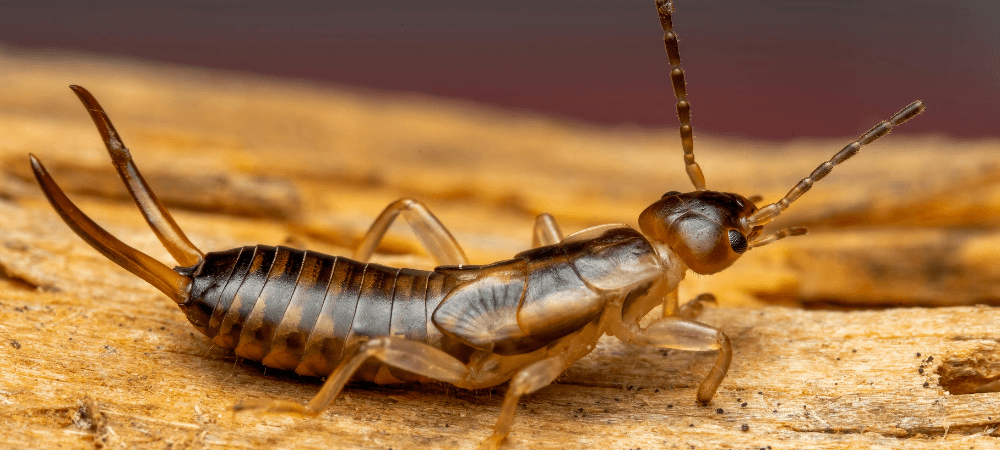
Earwigs are slender, reddish-brown insects best known for the pincer-like appendages (cerci) at the tip of their abdomen. Despite their intimidating look, those pincers are not dangerous to people — earwigs rarely bite, and they carry no known disease risk to humans. In North Carolina, earwigs tend to show up around homes and yards because they're drawn to damp, dark, organically rich spaces like mulch beds, leaf litter, and moisture-prone areas of the foundation. Their presence is usually more of a nuisance and a moisture-and-landscaping signal than a health concern.
Signs of Earwigs in Your Home
Visual Identification
Earwigs are generally flat, elongated insects, typically somewhere in the range of half an inch to just under an inch long, with a reddish-brown to dark brown body. Their most recognizable feature is the pair of forceps-like pincers at the rear of the abdomen — these are usually more curved on males and straighter on females. Some species have wings tucked beneath short wing covers, though earwigs found indoors are rarely seen flying. If you spot a small, dark, fast-moving insect with visible pincers scurrying away when a light is switched on, it's likely an earwig.
Where They're Found — Damp, Dark Areas
Earwigs are strongly drawn to moisture and tend to cluster in the dampest, darkest spots available. Indoors, that often means bathrooms, basements, crawl spaces, laundry rooms, and areas around sinks or leaky pipes. Outdoors, they commonly hide under mulch beds, mats of leaf litter, stacked firewood, and landscaping timbers pressed against the home. If you're finding earwigs in a particular room, it's often worth checking that area for a moisture source.
Plant Damage Signs
Earwigs feed on a mix of plant material and other small insects, and in gardens they can leave ragged, irregular holes in the leaves of soft, tender plants such as seedlings, marigolds, dahlias, and some vegetable crops. This chewing damage can resemble the work of other pests, so it's often the combination of leaf damage plus nearby earwig sightings — particularly at night — that points to earwigs rather than a different insect.
Nighttime Activity
Earwigs are primarily nocturnal. During daylight hours they tend to stay hidden in cracks, mulch, or damp crevices, then become active after dark to feed and move around. Homeowners often notice them most when turning on an outdoor light at night, lifting a doormat, or flipping over a piece of debris in the yard. Seeing several earwigs scatter when you disturb a damp hiding spot after dusk is a fairly typical pattern for this pest.
Why Earwigs Target North Carolina Homes and Yards
North Carolina's generally humid climate, especially through spring and summer, creates conditions earwigs tend to favor. Consistent moisture in the air and soil, combined with the state's popularity for mulched landscape beds and leaf litter accumulation, gives earwigs abundant shelter close to the house. Irrigation systems and sprinklers that keep soil and mulch consistently damp can add to the appeal, as can areas of the yard with poor drainage. Foundation moisture — from clogged gutters, downspouts that drain too close to the house, or grading that channels water toward the structure — can also create a damp microclimate right where earwigs are likely to seek entry. In general, reducing excess moisture around the home's perimeter tends to make the environment less attractive to them.
Seeing earwigs around your North Carolina home or yard?
Get a Free Quote| Feature | What to Look For |
|---|---|
| Appearance | Slender, reddish-brown to dark brown body with visible rear pincers (cerci) |
| Size | Roughly half an inch to just under an inch long |
| Habitat | Damp, dark spaces — mulch, leaf litter, basements, bathrooms, under debris |
| Diet | Decaying plant matter, tender seedlings and flowers, and other small insects |
| Activity Pattern | Nocturnal; hides during the day and becomes active after dark |
How to Prevent Earwigs in North Carolina
Reducing Moisture and Improving Drainage
Since earwigs are drawn to damp conditions, addressing standing water and excess moisture is generally one of the most effective prevention steps. This can include clearing clogged gutters, directing downspouts away from the foundation, fixing low spots in the yard that collect water, and avoiding overwatering garden beds close to the house.
Managing Mulch and Landscaping
Thick mulch beds and piles of leaf litter offer earwigs an ideal hiding spot. Keeping mulch at a moderate depth, pulling it back a few inches from the foundation, and regularly clearing fallen leaves and plant debris can reduce the shelter available to them near the home.
Sealing Entry Points
Earwigs can work their way indoors through small gaps around doors, windows, utility penetrations, and foundation cracks. Sealing these openings with weatherstripping or caulk can help limit how easily they move from the yard into the house, particularly during periods of heavy rain when they may seek drier ground.
Adjusting Exterior Lighting
Bright exterior lighting can attract a range of nighttime insects, including earwigs and the smaller insects they feed on. Switching to yellow or motion-activated lighting, or angling fixtures away from entry points, may help reduce the number of insects congregating near doors and windows after dark.
DIY vs. Professional Earwig Treatment
DIY Approach
- Removing mulch, debris, and leaf litter near the foundation
- Reducing watering and improving yard drainage
- Sealing visible gaps around doors and windows
- Using a dehumidifier in damp indoor areas
- Limited effect on larger outdoor populations
Professional Treatment
- Inspection to identify moisture sources and harborage areas
- Targeted treatment of hot spots around the foundation and landscaping
- Access to products and application methods not typically available to homeowners
- Ongoing monitoring to catch new activity early
- Addresses the broader yard population, not just visible indoor insects
How Professional Earwig Treatment Works
- An inspection is conducted around the home's exterior, foundation, and landscaping to identify moisture sources and areas of earwig activity.
- Interior areas showing signs of earwigs, such as bathrooms or basements, are also assessed.
- A treatment plan is developed that targets identified harborage areas, such as mulch beds, foundation perimeters, and damp exterior zones.
- Treatment is applied to the exterior perimeter and other identified hot spots using appropriate pest control products.
- Recommendations are typically provided for moisture reduction and landscaping adjustments to support longer-term results.
- Follow-up monitoring may be scheduled to check for continued activity and adjust the approach as needed.
Frequently Asked Questions
Do earwigs actually crawl into your ears?
No — this is a long-standing myth, not an established behavior. The name "earwig" comes from old folklore rather than documented habit, and general entomological consensus is that earwigs have no particular attraction to human ears. Like many insects, an earwig could theoretically end up in an unusual place by accident, but there's no credible evidence they seek out ears specifically. You can safely set this concern aside.
Do earwigs bite or sting people?
Earwigs can pinch with their rear appendages if handled or trapped against the skin, but this is uncommon and generally described as more startling than painful. They are not considered a health-threatening pest to humans.
Are earwigs harmful to my garden plants?
They can be. Earwigs feed on tender plant material and may chew irregular holes in the leaves and petals of seedlings and soft-stemmed flowers. In small numbers their impact is often minor, but larger populations can cause noticeable damage to vulnerable plants.
Why do I see more earwigs after it rains?
Heavy rain can saturate soil and mulch, pushing earwigs out of their usual underground or leaf-litter hiding spots and toward drier, more visible areas — sometimes including closer to the house. This tends to be a temporary shift tied to moisture levels rather than a sign of a larger infestation.
Are earwigs dangerous to pets?
Earwigs are not considered a significant threat to cats or dogs. Pets may sniff or bat at them out of curiosity, but earwigs generally aren't known to cause harm to pets.
Why am I finding earwigs in my bathroom or basement?
These areas are often among the more humid spots in a home, which makes them appealing to moisture-seeking pests like earwigs. Leaky pipes, poor ventilation, or condensation can all contribute to conditions that draw them indoors.
Do earwigs fly?
Some earwig species have wings, but they're rarely observed flying and tend to rely on crawling to get around. Indoors, you're far more likely to see them scurrying along baseboards or floors than in flight.
Will removing mulch get rid of earwigs completely?
Reducing mulch depth and clearing leaf litter can meaningfully cut down on nearby shelter, but it's typically one part of a broader approach. Moisture control, sealing entry points, and addressing other harborage areas around the yard usually work together for better results.
Is it normal to see a lot of earwigs at once?
Earwigs can occur in clusters, particularly in a favorable damp hiding spot such as under a mulch bed or a stack of debris, so finding several together in one location isn't unusual. A noticeable or growing population indoors, however, is generally worth having assessed.
Pest-X Exterminating Inc. serves homeowners across North Carolina.