
Fleas in North Carolina: Signs, Causes and How to Get Rid of Them
The Short Answer
Fleas are tiny, jumping, blood-feeding insects that most often enter a North Carolina home on a pet or through wildlife activity near the house. Once inside, they reproduce quickly in carpet, bedding, and upholstery, so what starts as one or two itchy bites can turn into a full infestation within a few weeks if it's not addressed.
Signs You Have Fleas In Your Home
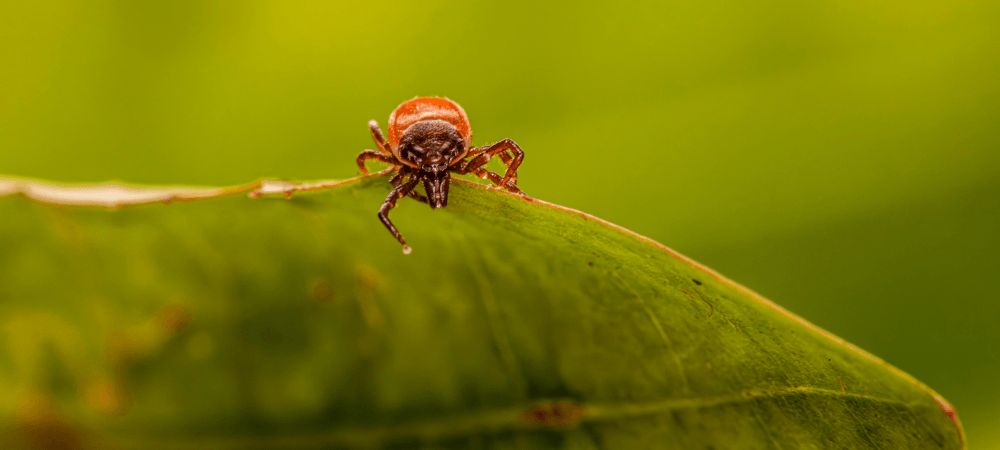
Fleas are small, reddish-brown insects, roughly the size of a pinhead, that move by jumping rather than flying. Because they're fast and tend to stay low to the ground or hidden in fibers, most homeowners notice the signs of fleas before they ever spot the insect itself.
Excessive Pet Scratching, Licking, or Biting
Dogs and cats are usually the first to react to a flea problem. Frequent scratching, licking, or biting at the skin — especially around the tail base, belly, and hind legs — is often the earliest indicator that fleas have found their way onto a pet.
Bites On Ankles And Lower Legs
Because fleas live and jump close to the ground, human bites tend to cluster on the ankles, lower legs, and feet. The bites typically appear as small, red, raised bumps, sometimes in clusters or short lines, and are noticeably itchy.
Tiny Dark Specks ("Flea Dirt") In Bedding Or Carpet
Flea dirt is flea excrement made up mostly of digested blood. It looks like small black or dark brown specks, similar to ground pepper, and is commonly found in pet bedding, carpet, upholstery, and anywhere a pet spends time resting. A simple test is to place the specks on a damp white paper towel — if they turn a reddish-brown color, it's a strong sign of flea activity.
Visible Fleas Jumping On Pets, Carpet, Or Skin
In more advanced infestations, fleas become visible to the naked eye, especially on a pet's belly or in light-colored carpet. Their jumping motion is fast and erratic, which is often the detail that helps homeowners confirm fleas rather than another insect.
Small Pale Eggs Or Larvae In Pet Areas
Flea eggs are tiny, white, and oval-shaped, and they're not sticky, so they easily fall off a pet's coat into carpet, bedding, and cracks in flooring. Finding these in areas where pets sleep or rest is a sign that fleas have already progressed past a single generation.
Unexplained Bites When No Pet Is Present
Fleas can also come from wildlife that visits a yard, which means bites can show up even in homes without indoor pets, particularly on lower legs after spending time on carpet or outdoor furniture.
Why Fleas Target North Carolina Homes
Fleas aren't unique to any one part of the state, but North Carolina's climate and mix of wildlife and residential landscaping create conditions that make flea problems especially common and persistent.
Humid climate extends the flea season. Fleas thrive in warm, humid conditions, and North Carolina's long, humid spring, summer, and fall give fleas an extended window to develop and reproduce outdoors before ever reaching a home's interior. In milder years, or in homes with consistent indoor heat, flea activity can continue well into the cooler months.
Pets and wildlife carry fleas indoors. Dogs and cats that spend time outdoors, even briefly in a backyard, can easily pick up fleas and carry them inside. Wildlife such as raccoons, opossums, feral cats, and rodents are also common flea hosts, and their presence in or under a home, in crawl spaces, sheds, or near woodpiles, creates an ongoing source of reinfestation even for households without pets.
Yard conditions create ideal breeding grounds. Shaded, moist areas of a yard, such as spots under decks, dense shrubs, or leaf litter, provide the humidity and shelter flea larvae need to develop. Yards that border wooded areas or see regular wildlife traffic are particularly prone to sustaining a flea population that continually finds its way toward the house.
Noticing bites on your ankles or a pet that won't stop scratching?
Get A Free QuoteFlea Bites Vs. Mosquito Bites
Because both insects leave small, itchy, red bumps, flea bites and mosquito bites are frequently mistaken for one another. Looking at where the bites appear and how they behave over time can help tell them apart.
| Characteristic | Flea Bites | Mosquito Bites |
|---|---|---|
| Bite Location Pattern | Concentrated on ankles, feet, and lower legs; often appear in small clusters or short rows | Scattered across any exposed skin, including arms, neck, and face |
| Appearance | Small, hard, red bumps, often with a red halo or dot at the center; can resemble a rash when clustered | Puffier, rounder welts that are typically larger and softer than flea bites |
| Itch Timing | Itching tends to begin almost immediately and can persist for several days | Itching usually peaks within the first day and fades more quickly |
If bites keep appearing on the lower legs indoors, especially in a home with pets or nearby wildlife activity, fleas are the more likely culprit.
How To Prevent Fleas In North Carolina
Because fleas rely on pets, wildlife, and yard conditions to get established, prevention works best when it addresses all three at once rather than treating the home in isolation.
Consistent Pet Flea Prevention Products
Veterinarian-recommended flea prevention products, applied consistently and year-round, are one of the most effective ways to stop fleas before they ever reach carpet or bedding. Skipping doses or pausing treatment during cooler months is one of the most common reasons flea prevention fails.
Regular Yard Maintenance
Keeping grass mowed, trimming back overgrown shrubs, and clearing leaf litter reduces the shaded, humid conditions flea larvae need to survive. Paying particular attention to areas where pets spend time, along fence lines, and near wooded borders helps reduce the odds of fleas migrating toward the house.
Frequent Vacuuming And Washing Pet Bedding
Vacuuming carpet, rugs, and upholstery regularly, and washing pet bedding on a hot cycle, helps remove flea eggs, larvae, and adults before they can complete their life cycle indoors. This is especially important in homes with pets that spend any time outdoors.
Limiting Wildlife Access
Sealing gaps around crawl spaces, decks, and sheds, and securing trash cans, reduces the chances of raccoons, opossums, and other wildlife using a property as shelter. Since these animals are common flea carriers, limiting their access to the yard and home is a key part of long-term prevention.
DIY Vs. Professional Flea Treatment
DIY Flea Treatment
- Store-bought sprays and foggers often only kill adult fleas on contact
- Fleas have a four-stage life cycle — egg, larva, pupa, and adult — and the pupal stage is protected inside a cocoon that resists most consumer insecticides
- Missed pupae can hatch weeks later, causing the infestation to appear to "come back"
- Treating pets, carpet, and yard separately, without a coordinated plan, often leaves gaps
- Repeated treatments may be needed with no guarantee of full elimination
Professional Flea Treatment
- Targets all life cycle stages, including the resistant pupal stage, not just visible adult fleas
- Coordinated approach across indoor living areas, pet resting spots, and outdoor harborage zones
- Products and application methods calibrated for flea biology and reinfestation risk
- Follow-up guidance to address the source, such as wildlife activity or yard conditions
- Reduces the trial-and-error homeowners often face with retail products
How Professional Flea Treatment Works
- Inspection. A technician identifies where flea activity is concentrated, both indoors and in the yard, and looks for contributing factors like pet habits or signs of wildlife.
- Targeted Indoor Treatment. Carpet, upholstery, baseboards, and other areas where pets rest are treated to address fleas at multiple life stages, not just visible adults.
- Outdoor And Yard Treatment. Shaded, humid areas of the yard where flea larvae develop, such as under decks or along fence lines, are treated to reduce the outdoor population feeding reinfestation.
- Life Cycle Follow-Up. Because flea eggs and pupae can continue hatching for a period after initial treatment, a follow-up visit or monitoring period is often built in to catch newly emerged fleas.
- Prevention Recommendations. Guidance is provided on pet care routines, yard maintenance, and any wildlife exclusion needs to help prevent the infestation from returning.
Frequently Asked Questions
How can I tell if it's fleas and not another bug biting me?
Flea bites tend to cluster on the ankles and lower legs, appear as small, firm, red bumps, and itch almost immediately. If a pet in the home is also scratching more than usual, or you find small dark specks in carpet or bedding, fleas are the most likely explanation.
Can an indoor-only pet still get fleas?
Yes. Fleas can hitch a ride into the home on clothing, shoes, or other pets, and wildlife near the home, such as raccoons or rodents in a crawl space, can also introduce fleas that eventually find their way to an indoor pet or resident.
Are fleas a health risk to my family or pets?
Beyond the discomfort of itchy bites, flea bites can lead to skin irritation or secondary infection from scratching, and some pets can develop an allergic reaction to flea saliva. Fleas are also known to transmit certain parasites and pathogens to pets, which is why prompt treatment matters for both comfort and health.
How long does it take to get rid of a flea infestation?
Because fleas have a multi-stage life cycle, complete elimination usually takes several weeks rather than a single treatment, particularly if eggs or pupae were present at the time of treatment and continue to hatch afterward.
Why do fleas keep coming back after I treat for them myself?
Most store-bought products only kill adult fleas. Eggs, larvae, and especially pupae, which are protected inside a resistant cocoon, often survive DIY treatment and continue the life cycle, making the infestation appear to return even after visible fleas are gone.
Do I need to treat my yard as well as my home?
If pets or wildlife spend time in the yard, yes. Shaded, humid areas of a yard can harbor developing fleas, and skipping outdoor treatment often leaves a source that reintroduces fleas indoors even after the home has been treated.
What factors affect the cost of flea treatment?
Cost factors typically include the size of the home and yard, the severity and stage of the infestation, how many pets are involved, and whether follow-up visits are needed to address the flea life cycle. A professional inspection is the best way to get an accurate picture for a specific property.
Should I try DIY treatment before calling a professional?
Light, very early activity may respond to consistent vacuuming, laundering pet bedding, and pet flea prevention products. However, once bites are showing up on people, flea dirt is visible in multiple areas, or a pet's scratching hasn't improved, a professional evaluation helps avoid a cycle of repeated DIY attempts that only address part of the life cycle.
When should I call a professional for fleas?
If you're seeing bites on multiple household members, finding flea dirt in more than one room, or a pet's flea prevention doesn't seem to be keeping up, it's time to bring in a professional. Catching an infestation early, before it spreads through carpet and upholstery, generally makes it faster and easier to resolve.
Dealing With Fleas In Your North Carolina Home?
Get a professional evaluation and a treatment plan built around your home, pets, and yard.