
Hornets in North Carolina: Identification, Nests and What to Do
The Short Answer
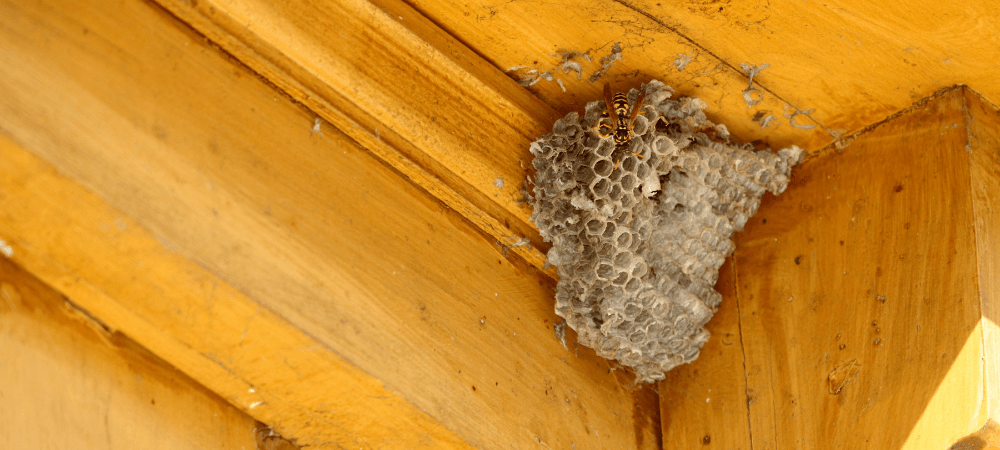
The hornet most North Carolina homeowners actually encounter is the bald-faced hornet — a black-and-white relative of the yellowjacket that builds a large, gray, football-shaped paper nest and defends it aggressively if disturbed. Nests typically appear in trees, shrubs, or under eaves by mid-to-late summer and are generally best left to a trained professional to remove, since disturbing one can trigger a fast, coordinated swarm response.
Identifying A Hornet Problem Around Your Home
Homeowners across North Carolina often use "hornet" loosely to describe any large stinging insect, but the bald-faced hornet is the species behind most of the reports Coalmarch-area pest professionals see. Technically a type of yellowjacket rather than a true hornet, it earns its common name from the mostly white markings on its face and the base of its abdomen, set against an otherwise black body. Knowing what to look for — and where — helps you spot a developing nest before it becomes a serious hazard.
Nest Appearance: The Gray Paper "Football"
The single most recognizable sign of a bald-faced hornet colony is the nest itself. Workers chew wood fibers into a papery pulp and build an enclosed, multi-layered nest that's typically gray, egg- or football-shaped, and can grow quite large by late summer — sometimes over a foot in diameter and two feet long. Unlike an open, umbrella-shaped paper wasp nest, a bald-faced hornet nest is fully enclosed with a single entry hole, usually near the bottom.
Typical Nest Locations
Bald-faced hornets generally build aerial nests, most often three feet or more off the ground. Common spots around North Carolina properties include tree branches, dense shrubs, house eaves and overhangs, utility poles, and the sides of sheds or outbuildings. Because the nest starts small in spring, it can go unnoticed for weeks before it becomes an obvious, softball-to-basketball-sized structure.
Size And Appearance Of The Hornets Themselves
Individual workers are noticeably larger than a typical wasp, generally with black bodies and bold white patterning on the face and abdomen tip. Queens tend to run slightly larger than workers. Their size and coloring make them fairly easy to distinguish from smaller, more slender paper wasps once you know what to look for.
Colony Growth Through The Season
A bald-faced hornet colony starts with a single overwintered queen in spring and builds gradually, typically reaching peak population and peak nest size in late summer. Colonies do not persist year to year — each nest is abandoned after the season and is not reused, though that doesn't mean the property is hornet-free going forward.
Aggression Triggers
Bald-faced hornets are generally considered one of the more defensive stinging insects homeowners encounter. They tend to tolerate people and pets from a distance, but vibration, sudden movement, or physical contact near the nest — think lawn equipment, ladder work, or a curious pet — can prompt multiple workers to respond at once. Because their stingers are smooth rather than barbed, individual hornets are able to sting repeatedly during an encounter.
Why Hornets Target North Carolina Homes
North Carolina's long, warm season gives colonies more time to grow before the first frost, which is one reason nests here can reach a noticeably large size by late summer. Homes surrounded by mature trees, dense landscaping, or exposed eaves and soffits offer exactly the kind of elevated, sheltered building sites a founding queen looks for in spring. Properties with accessible food sources — flowering plants that draw the insects they prey on, exposed trash, or uncovered pet food — can also become more attractive to foraging workers throughout the summer. Because a new queen selects a fresh nest site every spring, a property that hosted a nest one year isn't automatically protected the next; the same features that made it appealing once are usually still there.
Spotted a large gray nest on your property? Don't risk a DIY removal.
Get A Free QuoteQuick Hornet Identification Facts
| Feature | What To Look For |
|---|---|
| Size | Workers are noticeably larger than a typical wasp; queens are somewhat larger than workers |
| Nest Shape | Enclosed, football- or egg-shaped structure with a single entry hole near the bottom |
| Nest Material | Chewed wood fiber and saliva formed into a papery, layered gray "carton" |
| Typical Nest Location | Aerial sites at least a few feet off the ground — tree branches, shrubs, eaves, overhangs, utility poles |
| Colony Size | Generally small in spring, growing to a few hundred workers at peak in late summer |
How To Prevent Hornets In North Carolina
Trim Trees And Shrubs Away From The Home
Keeping tree limbs and dense shrubbery trimmed back from the roofline and walls reduces the sheltered, elevated sites a founding queen looks for in spring, and makes it easier to spot a small nest before it grows.
Seal Gaps Around Eaves, Soffits, And Utility Penetrations
While bald-faced hornets build exposed aerial nests rather than nesting inside wall voids, sealing gaps around soffits, vents, and utility lines removes additional attractive nooks and generally supports a broader pest-exclusion strategy for the home.
Manage Food Sources In The Yard
Covering trash cans, cleaning up fallen fruit, and promptly cleaning outdoor eating and grilling areas reduces the food sources that draw foraging hornets closer to the house throughout the summer.
Schedule Routine Exterior Inspections
Because nests start small and grow quickly through the season, a routine inspection of eaves, trees, and outbuildings in spring and early summer gives you the best chance of catching activity before a nest reaches its full late-summer size.
DIY vs. Professional Hornet Treatment
DIY Approach
- Store-bought aerosol sprays may only reach part of the nest and can agitate the colony
- Disturbing an active nest risks a coordinated swarm response and multiple stings
- Smooth stingers mean hornets can sting repeatedly during an encounter
- Ladder work near eaves or tree limbs adds a fall-risk on top of the sting risk
- Serious allergic reactions to hornet venom are possible and can escalate quickly
- No way to confirm the nest is fully treated or safely inactive afterward
Professional Treatment
- Trained technicians use protective equipment suited to defensive stinging insects
- Application methods and timing are chosen to reduce the chance of a swarm response
- Nest can be assessed for size, location, and accessibility before treatment begins
- Follow-up confirms the colony has been eliminated, not just disturbed
- Removes the physical risk of ladder work near an active nest
- Provides an informed read on whether related activity elsewhere on the property needs attention
How Professional Hornet Treatment Works
- Inspection. A technician locates the nest, evaluates its size and accessibility, and confirms the species before recommending a treatment approach.
- Safety Assessment. The technician considers the nest's proximity to doors, walkways, play areas, and pets to plan the safest treatment window and approach path.
- Targeted Treatment. Using professional-grade products and equipment not typically available to homeowners, the technician treats the nest directly, aiming to control the colony with minimal disturbance to residents.
- Nest Monitoring. Activity around the nest is checked to confirm the treatment is working as expected.
- Nest Removal. Once activity has stopped, the nest is typically removed to prevent it from becoming an attractant or hazard on its own.
- Prevention Recommendations. The technician can point out landscaping, exterior gaps, or food-source issues on the property that may make it more attractive to future nesting queens.
Frequently Asked Questions
How can I tell a hornet nest apart from a wasp nest?
A bald-faced hornet nest is a fully enclosed, gray, papery structure with a single entry hole, generally shaped like a football or large egg. Paper wasp nests, by contrast, are open and umbrella-shaped with visible individual cells.
Are bald-faced hornets dangerous?
They can deliver a painful sting and, because their stingers are smooth rather than barbed, are able to sting more than once during an encounter. Multiple workers will often respond together if the nest is disturbed. As with any stinging insect, some people may experience a more serious allergic reaction and should seek medical attention if symptoms go beyond localized pain and swelling.
How big can a hornet nest get?
Nests generally start out small in spring and can grow substantially larger by late summer as the colony reaches its peak size, sometimes reaching over a foot across.
When are hornet nests most active in North Carolina?
Activity typically builds through spring and summer, with colonies generally reaching their largest size and highest defensiveness in late summer and early fall.
How do I know if a hornet nest is abandoned?
Watching for worker activity at the entrance hole during daylight hours over several days can offer clues, but a quiet-looking nest isn't a guarantee it's empty, and approaching to check is exactly the kind of disturbance that can trigger a defensive response. A professional can confirm a nest's status safely.
Is it safe to remove a hornet nest myself?
Removing an active nest carries real risk of multiple stings, a possible allergic reaction, and fall hazards if the nest is elevated. Because hornets can respond aggressively as a group when disturbed, DIY removal is generally discouraged, especially for larger, late-season nests.
What factors affect the cost of professional hornet treatment?
Cost generally depends on factors like the nest's size, its location and accessibility (a nest high in a tree versus a low shrub, for example), how many nests are present, and whether follow-up visits are needed to confirm the colony has been eliminated.
Will hornets come back to the same spot next year?
Bald-faced hornets don't reuse an old nest, and a new queen chooses her own site each spring. However, if the same features that attracted a nest before — mature trees, dense shrubs, accessible eaves — are still present, the property can remain appealing to future queens.
When should I call a professional instead of handling it myself?
If you've located an active nest, notice unusual hornet traffic around your home, or aren't confident you can assess the situation from a safe distance, it's generally best to bring in a professional rather than approach the nest directly.
Found A Hornet Nest On Your Property?
Let a trained professional handle the assessment and removal so you don't have to.