
Moles in North Carolina: What's Really Causing That Yard Damage
The Short Answer
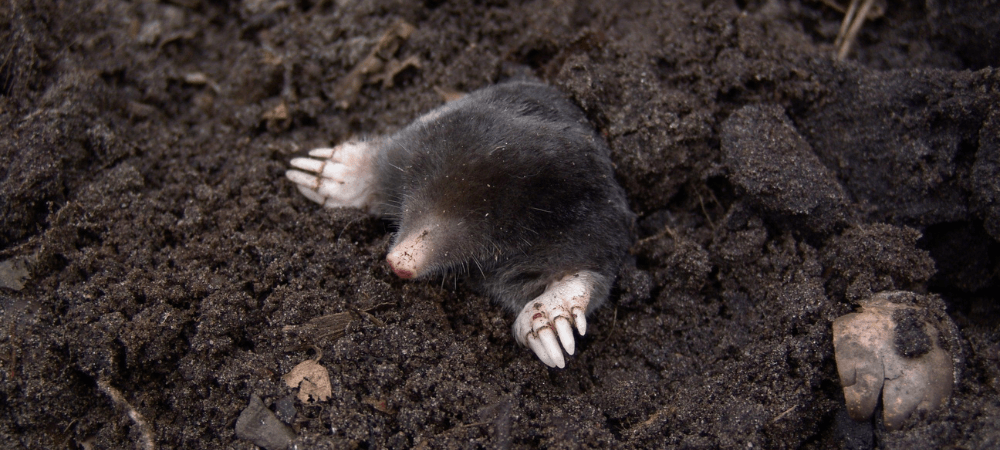
Moles are small, burrowing insectivores that tunnel through North Carolina lawns while hunting grubs and earthworms underground. They don't eat grass, roots, or garden plants — but their tunneling raises ridges, creates volcano-shaped mounds, and loosens turf enough to kill grass and make a lawn feel spongy underfoot. Most active moles can be traced to a healthy population of grubs and worms in moist, well-established soil.
Signs Of Mole Activity In Your Lawn
Mole damage is often mistaken for other lawn issues, but a few signs are distinct enough to point straight to moles once you know what to look for.
Raised Ridges And Surface Tunnels
The most common giveaway is a network of raised, squiggly ridges winding across the yard, often following fence lines, garden beds, or the edges of pavement. These are shallow feeding tunnels, usually just below the surface, that moles dig while searching for food. Stepping on one typically causes it to collapse, which is a quick way to confirm it's an active mole tunnel rather than old, abandoned digging.
Volcano-Shaped Mounds
Cone-shaped mounds of loose soil, sometimes called molehills, are a sign of deeper tunneling. Moles push excess dirt up and out as they excavate main tunnels used for travel and nesting, and the soil piles into a rounded, volcano-like shape rather than the flatter mounds left by some burrowing rodents.
Spongy, Uneven Turf
Lawns with heavy mole activity often feel soft or bouncy underfoot. The tunneling separates grass roots from the soil beneath them, which can cause the grass above shallow tunnels to yellow, wilt, or die even though the moles themselves never touch the blades or roots directly.
Fresh Digging After Rain
Mole activity tends to spike after rainfall, when soil is soft and earthworms move closer to the surface. Homeowners often notice new ridges or mounds appearing within a day or two of a good rain, which is a useful clue when trying to confirm the timing of an infestation.
Timing: Spring And Fall Surges
Moles are active year-round in North Carolina's mild climate, but activity typically increases in spring and fall when soil temperature and moisture are ideal for grub and earthworm activity near the surface. Summer heat and winter cold tend to push moles into deeper tunnels, so surface damage may look less severe even though the moles are still present.
Why Moles Target North Carolina Lawns
Moles aren't drawn to a yard because of the grass itself — they're drawn to what's living in the soil underneath it. Understanding the underlying conditions helps explain why some lawns attract repeat activity year after year while others rarely see a mound.
Food supply is the primary driver. Moles are insectivores with a fast metabolism, and they spend most of their waking hours hunting. Grubs (the larval stage of beetles) and earthworms make up the bulk of their diet, and a lawn with a healthy population of either is an attractive hunting ground. In many cases, earthworms are actually the larger share of a mole's diet, which is one reason grub control alone doesn't always solve a mole problem.
Soil moisture matters just as much as food. Moles prefer soil that's easy to dig and rich in the organic matter that supports worms and grubs. North Carolina's humid climate and seasonal rainfall create ideal digging conditions across much of the state, particularly in shaded or well-irrigated areas where soil stays consistently moist.
Turf type and lawn health play a role too. Thick, well-established turfgrass with a healthy layer of organic matter supports more soil life than thin, compacted, or newly seeded lawns. Ironically, a lush, well-maintained lawn can be more attractive to moles than a struggling one, simply because it supports more of the food they're after.
Not sure if it's moles or something else digging up your yard?
Ask An ExpertQuick Mole Identification Facts
Before jumping to conclusions about lawn damage, it helps to know exactly what moles do — and just as importantly, what they don't do. One of the most common mix-ups in North Carolina yards is blaming moles for eaten flowers, bulbs, and vegetable roots. Moles are insectivores; they eat grubs and earthworms, not plants. The pest usually responsible for chewed roots and disappearing bulbs is the vole, a small plant-eating rodent that sometimes uses abandoned mole tunnels to move around a yard undetected.
| Category | Mole Behavior |
|---|---|
| What They Eat | Grubs, earthworms, and other soil-dwelling insects — not plants, roots, or bulbs |
| Tunnel Appearance | Raised, winding surface ridges (feeding tunnels) and volcano-shaped mounds (deeper tunnels) |
| Active Season | Year-round in North Carolina, with noticeable surges in spring and fall |
| Damage Type | Physical turf disruption — dead patches, spongy soil, and uneven ground from tunneling |
| Commonly Confused With | Voles, which eat plants and roots and often reuse mole tunnels |
How To Prevent Moles In North Carolina
Because moles follow their food and the moisture that supports it, prevention is most effective when it targets the underlying conditions rather than the moles directly.
Grub Control As A Food-Source Strategy
Reducing the grub population in a lawn removes part of a mole's food supply, which can make a yard less attractive over time. Keep in mind that grub control targets only one part of the diet — since earthworms are often just as significant a food source, grub treatment alone doesn't guarantee moles will leave, but it's a reasonable piece of a broader prevention plan.
Soil Moisture Management
Avoiding overwatering and improving drainage in low-lying or shaded parts of the yard makes soil less hospitable to the worms and grubs moles are after. Adjusting irrigation schedules and addressing standing water can meaningfully reduce the conditions that draw moles in.
Physical Barriers
Buried mesh or hardware cloth barriers around garden beds, flower borders, or high-value turf areas can block moles from tunneling into specific zones. This approach is most practical for smaller, defined areas rather than an entire yard.
Reducing Excess Organic Matter
Thick thatch and heavy mulch layers hold moisture and support the insect life moles feed on. Regular dethatching and mindful mulch depth can help keep soil less appealing without compromising overall lawn health.
DIY Vs. Professional Mole Treatment
DIY Approach
- Store-bought traps require correct tunnel identification and placement to work
- Repellents and home remedies often provide only short-term or inconsistent results
- Grub or worm reduction products may not address the full food source
- Ongoing trial and error can mean repeated damage to turf while a method is tested
- Best suited for very minor, isolated activity
Professional Treatment
- Trained technicians identify active tunnels versus abandoned ones before treating
- Treatment addresses the underlying food source, not just visible damage
- Access to control methods and placement techniques not available to homeowners
- Follow-up visits confirm activity has stopped rather than just moved elsewhere
- Better suited for established or recurring mole activity
How Professional Mole Treatment Works
- Inspection And Activity Mapping. A technician walks the property to identify active tunnels versus old, abandoned ones, and assesses conditions like soil moisture and grub presence that may be driving activity.
- Confirming The Food Source. Because moles are drawn to grubs and earthworms, the inspection typically includes checking for signs of grub activity in the turf to determine whether food-source treatment should be part of the plan.
- Targeted Treatment Placement. Based on the mapped tunnel system, treatment is applied at the points most likely to intercept active mole activity, rather than treating the entire yard indiscriminately.
- Monitoring For Continued Activity. Follow-up checks confirm whether tunnels remain active or have gone quiet, since moles can rework old tunnels or shift activity to untreated areas of a property.
- Prevention Recommendations. A technician can advise on moisture management, thatch reduction, or other lawn conditions that may be contributing to repeat activity, so the underlying cause — not just the symptom — is addressed.
Frequently Asked Questions
How can I tell if I have moles and not another burrowing animal?
Look for raised, winding surface ridges and volcano-shaped soil mounds. Moles create both a shallow tunnel network and deeper mounded tunnels, which sets their damage apart from flatter burrow entrances left by some other yard-digging animals.
Are moles eating my flowers, vegetables, or bulbs?
No. Moles are insectivores and eat grubs and earthworms, not plant material. If bulbs, roots, or vegetables are being eaten, voles are the more likely culprit — a plant-eating rodent that often travels through tunnels moles have already dug.
Why do moles tunnel through my lawn if they're not eating the grass?
Moles tunnel to hunt for grubs and earthworms living in the soil, and to travel and nest. The grass damage that results is a side effect of tunneling disrupting the root zone, not a sign that moles are feeding on the turf itself.
If I get rid of the grubs, will the moles leave?
Grub control can help, but it isn't a guaranteed fix on its own. Earthworms often make up a significant share of a mole's diet, so a lawn can still attract moles even after grubs are addressed. Grub control works best as one part of a broader plan.
Why does my lawn have more mole activity in spring and fall?
Moderate soil temperatures and moisture levels in spring and fall bring grubs and earthworms closer to the surface, making hunting easier for moles. Activity often appears to slow in summer heat and winter cold, when moles simply tunnel deeper rather than disappearing entirely.
Can I get rid of moles myself?
Minor, isolated activity can sometimes be managed with traps or targeted repellents, but results are inconsistent without correctly identifying which tunnels are actively in use. Established or recurring activity typically responds better to a professional approach that addresses the underlying food source.
What affects the cost of professional mole treatment?
Cost factors typically include the size of the affected area, how extensive the tunnel system is, whether grub or earthworm populations need to be addressed as part of the plan, and whether follow-up visits are needed to confirm the activity has stopped.
Will moles damage my home's foundation or landscaping structures?
Moles primarily affect turf and soil rather than structures. That said, extensive tunneling near garden beds, walkways, or retaining walls can undermine soil stability in those specific areas over time.
When should I call a professional instead of handling it myself?
If mole activity keeps returning after DIY attempts, covers a large portion of the yard, or you're unsure whether the damage is from moles or another pest like voles, it's a good time to bring in a professional for accurate identification and a targeted treatment plan.
Dealing With Mole Damage In Your North Carolina Yard?
Get a professional inspection to confirm what's really tunneling through your lawn.