
Mosquitoes in North Carolina: What Draws Them In and How to Fight Back
The Short Answer
Mosquitoes in North Carolina breed anywhere water sits still for a few days, are most active at dawn and dusk, and thrive because of the state's humid climate and long warm season. The most effective way to reduce them is to eliminate standing water around a property, keep the yard maintained, and use personal protection when outdoors — with professional barrier treatment as an added layer when the problem is persistent.
How to Identify a Mosquito Problem Around Your Home
Mosquito activity tends to build gradually, which means many homeowners don't notice a problem until populations are already established. Knowing what to look for makes it easier to catch an infestation early, before it affects how much time your family spends outdoors.
Standing Water Sources
Mosquitoes require standing water to complete their life cycle, and it doesn't take much. Water sitting in a clogged gutter, a forgotten flowerpot saucer, a tarp, a wheelbarrow, or a low spot in the yard for as little as several days is enough for eggs to be laid and develop. Checking these areas regularly is one of the simplest ways to spot a developing problem.
Bite Patterns
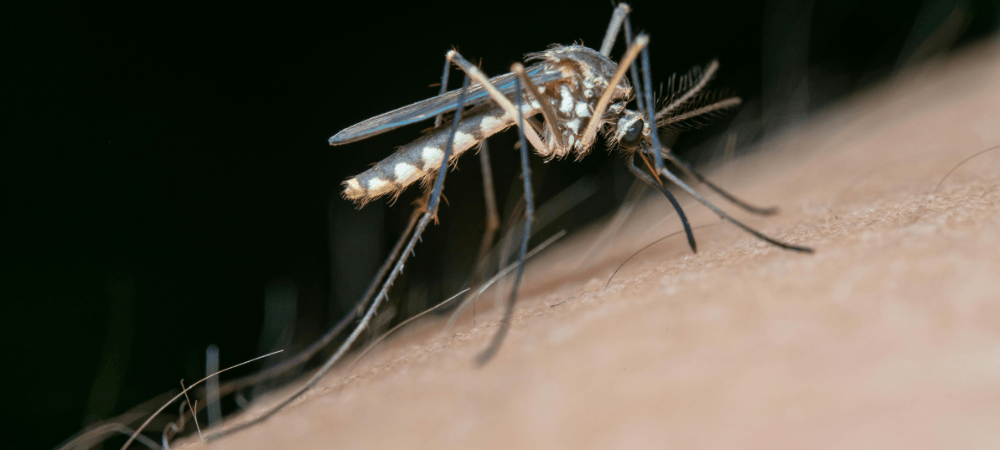
An uptick in bites — especially multiple bites in a single evening or bites appearing on family members who weren't outdoors long — is often the first sign residents notice. Bites tend to cluster around ankles, arms, and other exposed skin, and itching or mild swelling is common. Some people simply react more visibly to bites than others, which can make the problem seem worse for one household member than another even when exposure is the same.
Breeding Sites Around a Home
Beyond obvious puddles, mosquitoes breed in less visible places: clogged downspouts, birdbaths that aren't refreshed, children's toys that collect rainwater, unused pools or hot tubs, and dense ground cover that holds moisture. A thorough walk around the property, paying attention to anything that can hold water, usually reveals more potential breeding sites than expected.
Increased Evening Activity
A noticeable swarm of mosquitoes near porches, patios, or entryways in the early evening is a common sign of a nearby breeding site. Many species are most active during the cooler, calmer hours around dawn and dusk, so a spike in activity during that window is a useful indicator that a resting or breeding area is close by.
Resting Areas in Shaded, Humid Spots
During the heat of the day, mosquitoes typically rest in shaded, humid areas — dense shrubs, tall grass, under decks, or in other cool, sheltered spots. If you notice mosquitoes flushing out of landscaping when it's disturbed, that vegetation is likely serving as a daytime resting site.
Why Mosquitoes Target North Carolina Yards
North Carolina's climate creates conditions that are close to ideal for mosquito populations to establish and persist throughout much of the year.
- Humid climate: consistent humidity across the state helps mosquito eggs and larvae survive and slows the evaporation of the standing water they depend on.
- Prevalence of standing water: a mix of rainfall patterns, natural low-lying terrain, and common residential features like gutters, drainage areas, and ornamental water features gives mosquitoes abundant breeding opportunities.
- Long warm season: North Carolina's mild-to-hot conditions extend well beyond a typical summer, giving mosquitoes an extended window to breed, develop, and produce multiple generations before cooler weather sets in.
Together, these factors mean that a yard doesn't need a dramatic water feature to support a mosquito population — ordinary residential conditions across most of the state are usually enough.
Noticing more mosquitoes around your property than usual?
Get A Free QuoteQuick Mosquito Identification Facts
| Characteristic | Typical Pattern |
|---|---|
| Breeding time (egg to adult) | Roughly one to two weeks in warm conditions, faster in higher heat |
| Most active time of day | Dawn and dusk for many species, though some are active during the day |
| Typical flight range | Generally short-range, with most nuisance mosquitoes staying close to their breeding site |
| Common breeding sites around a home | Clogged gutters, plant saucers, birdbaths, tarps, low-lying yard areas, unused containers |
| Preferred resting locations | Shaded, humid areas such as dense shrubs, tall grass, and shaded spots under structures |
How to Prevent Mosquitoes in North Carolina
Prevention is almost always more effective than reacting to an established population. A combination of the following strategies addresses mosquitoes at every stage of their life cycle.
Eliminating Standing Water
Because mosquitoes cannot complete their life cycle without standing water, removing it is the single most impactful prevention step. Empty and refresh birdbaths and pet water bowls regularly, clear clogged gutters, drain areas where water pools after rain, and store containers like buckets and wheelbarrows upside down.
Yard Maintenance
Keeping grass trimmed, shrubs thinned, and landscaping debris cleared reduces the shaded, humid resting spots mosquitoes prefer during the day. Regular lawn maintenance also improves drainage, which limits the small pockets of standing water mosquitoes rely on.
Personal Protection
When spending time outdoors, especially during dawn and dusk hours, EPA-registered insect repellents, long sleeves and pants, and screened enclosures for patios or porches all reduce bite exposure. Ceiling or portable fans on outdoor living spaces can also help, since mosquitoes are weak fliers and struggle against moving air.
Entry Point Sealing
Mosquitoes can enter homes through small gaps around doors, windows, and utility penetrations. Repairing torn window screens, sealing gaps around pipes and vents, and ensuring doors close tightly all help keep mosquitoes from getting indoors.
DIY vs. Professional Mosquito Treatment
DIY Approach
- Works well for minor, occasional mosquito presence
- Relies on consistent, ongoing homeowner effort
- Store-bought sprays and foggers offer short-term relief only
- Doesn't address breeding sites on neighboring or hard-to-reach property
- Limited effect on larger or recurring populations
Professional Treatment
- Identifies and targets breeding sites a homeowner may miss
- Uses barrier treatments designed for longer-lasting control
- Scheduled seasonal service adjusts to changing conditions
- Better suited for persistent or property-wide infestations
- Reduces the time and effort required from the homeowner
How Professional Mosquito Treatment Works
- Property Inspection. A technician walks the property to identify existing and potential breeding sites, resting areas, and conditions that are contributing to mosquito activity.
- Barrier or Perimeter Treatment. Targeted treatment is applied to vegetation, shaded areas, and other resting sites around the yard to reduce the adult mosquito population and create a protective barrier around the areas where people spend time.
- Ongoing Seasonal Service. Because mosquito pressure changes with weather and rainfall, treatments are typically repeated on a scheduled basis throughout the active season to maintain control rather than treating it as a single, one-time event.
Frequently Asked Questions
How can I tell if I have a mosquito problem versus just normal outdoor bugs?
A true mosquito problem usually shows up as repeated bites over multiple outings, visible swarming near entryways or shaded areas in the evening, and standing water somewhere on or near the property. Occasional bites during peak season are common everywhere, but a consistent pattern points to an active breeding site nearby.
Are mosquitoes in North Carolina a health risk?
Mosquitoes can transmit certain illnesses, including West Nile virus, which has been documented in North Carolina in past mosquito seasons according to state health officials. Risk varies by location, season, and individual exposure, and most bites do not result in illness. If you experience symptoms after a mosquito bite, or have specific health concerns, consult a doctor rather than relying on general information.
Why do mosquitoes seem to bite some people more than others?
Mosquitoes are drawn to a combination of factors, including body heat, carbon dioxide output, and certain skin compounds, which vary from person to person. This is why two people in the same yard at the same time can have very different bite experiences.
Can I get rid of mosquitoes myself, or do I need a professional?
Minor, occasional mosquito presence can often be managed with consistent DIY steps like eliminating standing water and using repellents. Persistent or property-wide activity is harder to resolve without professional-grade equipment and treatment methods, since it usually points to breeding sites that are difficult to find or reach on your own.
What factors affect the cost of mosquito treatment?
Cost typically depends on property size, the extent of vegetation and potential breeding sites, how frequently treatment is needed throughout the season, and whether additional services are bundled in. A property assessment is the most reliable way to understand what a specific yard requires.
How long does it take to see a difference after treatment?
Many homeowners notice reduced mosquito activity relatively quickly after a barrier treatment, though results depend on property conditions, weather, and how established the population was beforehand. Ongoing seasonal service is generally needed to maintain results rather than relying on a single application.
Do mosquitoes go away in cooler weather?
Mosquito activity typically slows as temperatures drop, but North Carolina's long warm season means activity can persist later into the year than many homeowners expect, particularly in milder regions of the state.
Will removing standing water completely solve the problem?
Eliminating standing water is the most important step and will meaningfully reduce mosquito activity, but it may not fully resolve the issue if breeding sites exist on neighboring property or in hard-to-reach areas. That's often when combining prevention habits with professional treatment makes the biggest difference.
When should I call a professional about mosquitoes?
If mosquito activity persists after removing standing water and maintaining the yard, if bites are frequent enough to limit time outdoors, or if you simply want a more thorough, ongoing solution than DIY methods provide, it's a good time to have a professional assess the property.
Ready To Take Back Your Yard From Mosquitoes?
Get a professional assessment and a treatment plan built for your property.