
Silverfish in North Carolina: What They Are and What They're Telling You About Your Home
Quick Answer
Silverfish are small, wingless, silvery-gray insects known for their fish-like, wiggling movement and their attraction to damp, dark spaces. They're often called a "moisture indicator" pest because their presence can point to elevated humidity or a hidden moisture issue somewhere in a home. While they don't bite or spread disease, silverfish can gradually damage paper, books, wallpaper, and certain fabrics if left undisturbed, so it's worth understanding what draws them in and how to keep humidity in check.
Signs of Silverfish in Your Home
Visual Identification and Movement Pattern
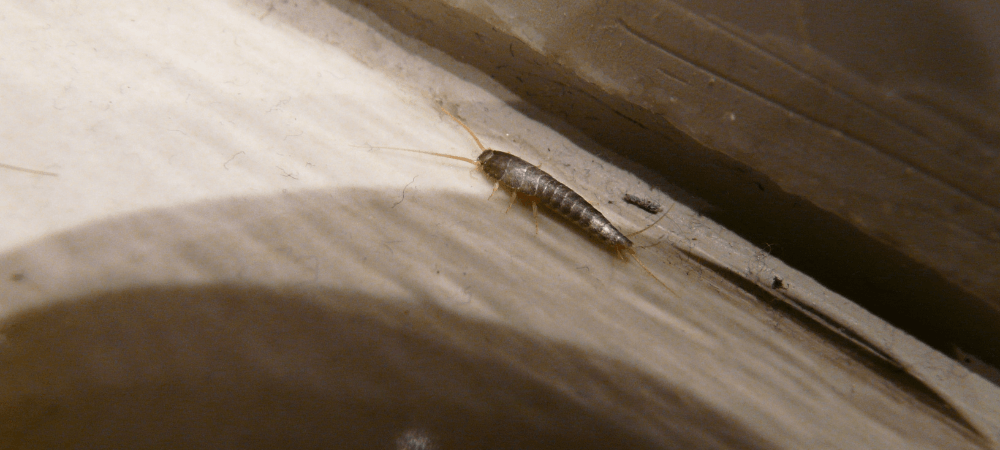
Silverfish are typically teardrop-shaped, roughly a half-inch to an inch long, with a metallic silver or gray sheen and three long, bristle-like tails extending from the rear of their body. They're wingless but move surprisingly fast, with a distinctive side-to-side, wiggling motion that resembles a swimming fish — which is how they got their name. Because they're nocturnal and prefer darkness, most homeowners spot them scurrying for cover when a light is switched on or an item is moved after sitting undisturbed for a while.
Damage to Paper, Books, Wallpaper, and Fabric
Silverfish feed on starches and cellulose, which puts book bindings, cardboard boxes, wallpaper paste, photographs, and certain paper goods at risk. Over time, you may notice small irregular holes, yellowish staining, or a scraped, notched appearance along paper edges. They can also feed on some fabrics, particularly those with starch-based sizing or natural fibers like cotton and linen, though this tends to happen gradually rather than all at once.
Where They're Commonly Found
Because silverfish need consistent moisture and humidity to survive, they tend to congregate in bathrooms, basements, attics, laundry rooms, and around plumbing fixtures. They also favor storage areas with stacks of cardboard, old books, or paper documents, especially in dim, rarely disturbed corners of a home.
Fecal Matter and Shed Skin
Since silverfish molt repeatedly throughout their lives, you may find small, pepper-like fecal droppings or thin, translucent shed skins in areas where they're active — often tucked into drawers, closets, or storage boxes. These signs, combined with small feeding damage on paper items, are often the first clue of an active population before the insects themselves are seen.
Why Silverfish Target North Carolina Homes
North Carolina's climate includes long stretches of high humidity, particularly in the warmer months, which creates favorable conditions for moisture-loving pests like silverfish. Homes with crawl spaces, older construction, or aging bathroom ventilation are especially prone to trapped humidity in areas like subfloors, basements, and attics. Bathrooms with poor airflow, leaky fixtures, or condensation buildup can also become long-term hot spots. Add in the abundance of paper, cardboard, and starch-based materials found in most households — books, boxes, wallpaper, and stored documents — and it's easy to see why silverfish can quietly establish themselves in the right conditions.
Noticing silverfish or unexplained moisture issues in your home?
Contact UsSilverfish vs. Firebrats: How to Tell Them Apart
Firebrats are close relatives of silverfish and are often mistaken for them, but a few differences can help with identification.
| Characteristic | Silverfish | Firebrats |
|---|---|---|
| Coloring | Silvery-gray, metallic sheen | Mottled gray and brown, less shiny |
| Preferred Temperature | Cooler, humid environments | Warmer, humid environments |
| Common Locations | Bathrooms, basements, attics, closets | Near furnaces, water heaters, ovens, and other heat sources |
| Body Shape | Slightly more elongated and slender | Slightly more compact and robust |
| Feeding Behavior | Paper, starches, cellulose materials | Similar diet, generally in warmer pockets of a structure |
How to Prevent Silverfish in North Carolina
Dehumidifying and Moisture Control
Since silverfish rely on humidity to survive, using dehumidifiers in basements, crawl spaces, and other damp areas can make a home much less hospitable to them. Fixing leaky pipes, addressing condensation around windows or fixtures, and keeping bathroom humidity in check with exhaust fans can also help reduce the moisture they depend on.
Decluttering Paper and Cardboard Storage
Long-term storage of cardboard boxes, stacked newspapers, and old books gives silverfish both shelter and a food source. Switching to sealed plastic storage bins and periodically going through paper-heavy storage areas can reduce the hiding spots and food sources available to them.
Sealing Entry Points
Silverfish can enter through small gaps around baseboards, utility penetrations, window and door frames, and foundation cracks. Sealing these openings with caulk or weatherstripping can help limit the pathways they use to get inside.
Crawl Space and Attic Ventilation
Poorly ventilated crawl spaces and attics tend to trap humidity, which can make them attractive to silverfish over time. Improving airflow, adding vapor barriers where appropriate, and checking insulation for moisture buildup are worth discussing with a qualified professional if humidity seems to be a recurring issue.
DIY vs. Professional Silverfish Treatment
DIY Approaches
- Using a dehumidifier in damp areas
- Vacuuming visible silverfish and debris
- Store-bought sticky traps for monitoring
- Decluttering paper and cardboard storage
- Limited effectiveness against a larger or hidden population
Professional Treatment
- Inspection to identify moisture sources and entry points
- Targeted treatment methods suited to the infestation
- Access to products and application methods not typically available to homeowners
- Guidance on long-term humidity and moisture management
- Follow-up monitoring to confirm results
How Professional Silverfish Treatment Works
- An initial inspection is conducted to identify active silverfish activity, moisture sources, and likely entry points throughout the home.
- Problem areas such as bathrooms, basements, attics, and crawl spaces are assessed for humidity levels and conducive conditions.
- A treatment plan is developed based on the extent of activity and the specific areas affected.
- Targeted treatments are applied to identified harborage areas and entry points.
- Recommendations are provided for moisture control and structural adjustments that can help reduce the likelihood of recurrence.
- Follow-up visits may be scheduled to monitor results and address any continued activity.
Frequently Asked Questions
Are silverfish dangerous?
Silverfish are not considered dangerous to people. They don't sting, and they aren't known to transmit disease. Their main impact is on paper goods, books, and certain fabrics rather than on health.
Do silverfish bite?
Silverfish do not bite people. Their mouthparts are designed for feeding on starches and cellulose materials, not for biting or stinging.
Why do I keep seeing silverfish in my bathroom?
Bathrooms tend to have higher humidity from showers, baths, and limited ventilation, which makes them an appealing environment for moisture-seeking pests like silverfish.
Do silverfish mean I have a mold problem?
Not necessarily, but silverfish and mold are often drawn to similar conditions — namely excess moisture and humidity. If you're seeing silverfish regularly, it may be worth checking nearby areas for signs of mold or moisture damage as well.
How do silverfish get into a home?
They can enter through small gaps around foundations, utility lines, windows, doors, and vents. They may also be introduced through cardboard boxes, used books, or other paper materials brought into the home.
How long do silverfish live and how quickly do they reproduce?
Silverfish are generally understood to have a fairly long lifespan for an insect their size, and populations can grow gradually over time under favorable humid conditions. Exact timelines can vary depending on environmental factors, so it's best not to rely on a fixed number.
Can silverfish damage electronics or appliances?
Silverfish are primarily drawn to paper, starches, and certain fabrics rather than electronics. However, they may be found near appliances if the surrounding area is damp or cluttered with paper-based materials.
Are silverfish more common at certain times of year?
Silverfish activity may be more noticeable during periods of higher humidity, which in North Carolina often includes the warmer months, though indoor moisture issues can make them a concern at any time of year.
Can I get rid of silverfish just by cleaning more often?
Cleaning and decluttering can help reduce food sources and hiding spots, but if a moisture issue is driving the activity, cleaning alone may not fully resolve the underlying cause.
Dealing With Silverfish In Your Home?
The team at Pest-X Exterminating Inc. can help you identify the cause and find a solution.