
Stink Bugs in North Carolina: Why They Invade and How to Keep Them Out
Quick Answer
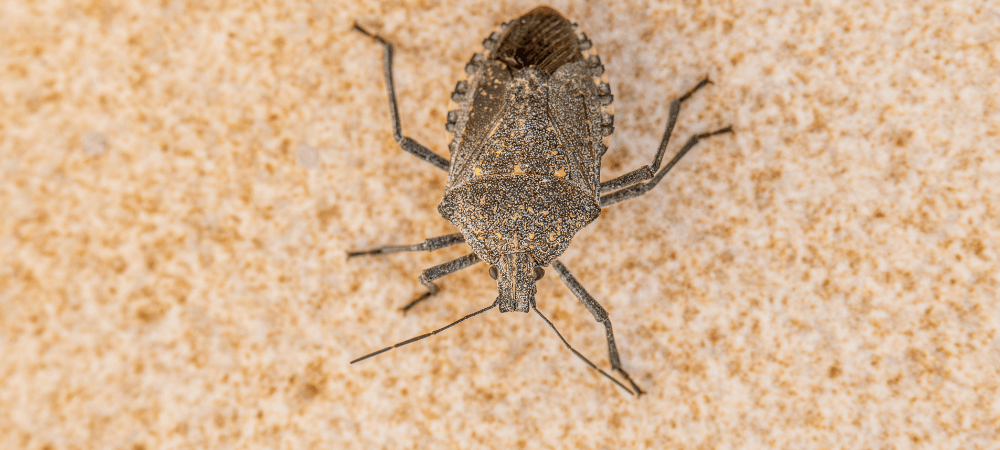
Stink bugs are shield-shaped insects that release a pungent odor when disturbed or crushed, and in North Carolina they typically become a nuisance in early fall when they search for warm places to spend the winter. They don't bite, sting, or spread disease, but large numbers can gather on sunny exterior walls and slip indoors through small gaps. Sealing up the home and knowing what to look for can go a long way toward keeping them outside where they belong.
Signs You Have A Stink Bug Problem
Bugs Clustering On Sunny, South-Facing Walls
One of the earliest signs of a stink bug presence is a cluster of shield-shaped insects gathering on the sunniest side of a house, typically the south or west-facing exterior. As outdoor temperatures cool in fall, stink bugs are drawn to the heat radiating off siding, brick, and window frames, and they often congregate there in surprising numbers before attempting to find a way inside.
Bugs Appearing Near Windows And Door Frames
Homeowners frequently notice stink bugs on the inside of windowsills, door thresholds, and around trim where gaps or worn weatherstripping allow entry. Because stink bugs are drawn to light, they're often spotted resting on or near glass, especially on the sunnier side of a home, in the days following a cold snap.
A Sudden, Unpleasant Odor
The telltale sign that gives stink bugs their name is the strong, somewhat acrid odor they release when threatened, squashed, or vacuumed up. If a room suddenly smells musty or oddly "green" and there's no obvious source, a disturbed stink bug is often the cause.
Bugs In Attics, Wall Voids, And Upper Rooms
Stink bugs seek out hidden, insulated spaces to overwinter, so attics, upper-floor rooms, and wall voids near the roofline are common hideouts. In many NC homes, residents don't notice an infestation until unseasonably warm winter days wake the bugs up and they wander into living spaces looking for light and warmth.
Egg Clusters Or Nymphs On Plants
Outdoors, stink bugs lay small barrel-shaped egg clusters on the undersides of leaves, often on garden vegetables, fruit trees, or ornamental shrubs. Finding these clusters, or spotting the wingless, more colorful nymph stage, can indicate an active breeding population nearby that may later move toward the home.
Bugs Reappearing On Warm Winter Or Early Spring Days
Because overwintering stink bugs go semi-dormant rather than dying off, a run of unusually warm days in the middle of winter can trigger them to become active again indoors. Seeing sluggish, slow-moving stink bugs in January or February is a common and normal part of their life cycle in North Carolina rather than a new infestation.
Why Stink Bugs Target North Carolina Homes
North Carolina's mix of mild falls, agricultural land, and a long growing season creates favorable conditions for stink bug populations, particularly the brown marmorated stink bug, which has spread widely across the state. As temperatures begin to drop in September and October, these insects instinctively seek sheltered, insulated locations to survive winter, and homes with their steady interior warmth are an appealing target. Properties near soybean fields, orchards, vegetable gardens, or wooded edges can see higher pressure, since these areas often serve as feeding and breeding grounds before bugs migrate toward structures. Older homes and homes with unsealed siding, gaps around utility penetrations, or attic vents without proper screening tend to be more vulnerable, since stink bugs can exploit surprisingly small openings to get inside. Because NC winters typically include stretches of both cold and unseasonably mild weather, homeowners may see stink bug activity intermittently throughout the cooler months rather than just once in fall.
Not sure if what you're seeing is a stink bug problem or something else?
Get A Free QuoteStink Bugs Vs. Kudzu Bugs
| Trait | Stink Bugs | Kudzu Bugs |
|---|---|---|
| Appearance | Shield or shield-and-spade shaped body, roughly 1/2 to 3/4 inch, mottled brown or gray | Smaller, rounder, olive-green body, roughly 1/4 inch |
| Odor | Strong, pungent smell when disturbed or crushed | Also produces an unpleasant odor, though often described as somewhat different in character |
| Peak Season | Most noticeable in early-to-mid fall as they seek overwintering sites | Also tends to swarm in fall, often in large numbers on light-colored exterior surfaces |
| Where Commonly Found | Widespread across yards, gardens, and structures statewide | More closely associated with areas near kudzu vines and legume crops such as soybeans |
| Indoor Behavior | Overwinters individually or in loose clusters in attics and wall voids | Tends to swarm in larger, denser masses on exterior walls before entering |
Because both insects can appear similar at a glance and share overlapping fall behavior, exact identification is best confirmed by a professional if it's affecting treatment decisions.
How To Prevent Stink Bugs In North Carolina
Seal Common Entry Points
Since stink bugs typically enter through small cracks and gaps rather than large openings, sealing spaces around windows, doors, siding, utility lines, and attic vents with caulk or weatherstripping is one of the most effective prevention steps. Paying close attention to areas where different building materials meet, such as where siding meets brick or trim meets stucco, can close off routes bugs commonly use.
Adjust Exterior Lighting
Stink bugs are drawn to light, so bright exterior fixtures near doors and windows can inadvertently attract them to the areas of the home most likely to have small entry gaps. Switching to yellow or sodium-vapor bulbs, or simply directing lights away from entry points, can reduce the number of bugs congregating near vulnerable areas in fall.
Manage Gardens And Landscaping
Because stink bugs feed and breed on a wide range of garden plants, fruit trees, and ornamental shrubs, keeping vegetation trimmed back from the home's exterior and removing garden debris at the end of the season can reduce nearby breeding sites. Homeowners with vegetable gardens near the house may also want to inspect plants regularly for egg clusters, especially in late summer.
Prepare The Home Before Fall
Late summer, before the fall migration into structures begins, is the ideal time to inspect screens, repair torn window screens, and check attic and crawlspace vents for proper sealing. Addressing these details ahead of the seasonal push can meaningfully reduce how many stink bugs make it indoors once temperatures start to drop.
DIY Vs. Professional Stink Bug Treatment
DIY Approach
- Can help with small, isolated numbers of bugs
- Vacuuming avoids the odor released by crushing, though the vacuum may retain smell
- Store-bought sprays often only address bugs on contact, not the ones hidden in wall voids
- Doesn't address entry points that allow new bugs in each season
- Time-consuming to repeat as new bugs continue arriving in fall
Professional Approach
- Identifies the specific entry points and harborage areas unique to the home
- Uses exterior treatments timed to the fall overwintering push
- Can address large populations in attics or wall voids more thoroughly
- Typically includes follow-up visits as part of an ongoing plan
- Reduces recurring seasonal populations over time rather than just treating symptoms
How Professional Stink Bug Treatment Works
- An inspection is conducted around the exterior and interior of the home to identify entry points, harborage areas, and the extent of the activity.
- Exterior perimeter treatments are applied around foundations, siding, windows, and doors to create a barrier that reduces bugs attempting to enter.
- Cracks, gaps, and vulnerable openings identified during the inspection are noted, with sealing recommendations provided to the homeowner or contractor.
- Interior treatment or vacuuming may be used for bugs that have already made it inside, particularly in attics or upper rooms.
- A follow-up visit is typically scheduled to reassess activity, especially heading into or coming out of peak fall migration periods.
- Ongoing seasonal monitoring helps track population trends year over year and adjust treatment timing as needed.
Frequently Asked Questions
Do stink bugs bite people or pets?
No, stink bugs don't bite or sting. Their defense mechanism is the odor they release, not a physical bite, so they're generally considered a nuisance pest rather than a health hazard.
Are stink bugs harmful to my health?
Stink bugs aren't known to spread disease to humans. Some people may find the odor irritating or, in rare cases, experience mild skin or eye irritation from direct contact with the substance they release, but they aren't considered a significant health risk.
Why do I suddenly see so many stink bugs in the fall?
As temperatures drop, stink bugs instinctively search for warm, sheltered places to spend the winter, and homes provide exactly that. This seasonal shift is why sightings often spike in September and October across North Carolina.
Do stink bugs smell bad even if I don't squish them?
Typically, stink bugs only release their odor when they feel threatened, disturbed, or are crushed. Simply seeing one resting on a wall usually won't produce a smell, though vacuuming or swatting at them can trigger it.
Can stink bugs damage my home?
Stink bugs don't chew through wood, wiring, or structural materials the way some other pests do, so they aren't a structural threat. Their impact is mostly a nuisance from large numbers gathering indoors and outdoors, and outdoors they can damage garden plants and crops.
Will stink bugs reproduce inside my house over the winter?
Generally, stink bugs that overwinter indoors go into a dormant-like state and don't reproduce until they return outdoors in spring. Any bugs seen indoors during winter are typically just seeking warmth, not breeding.
What's the best way to get rid of a stink bug indoors?
Vacuuming is often recommended over swatting or crushing, since it avoids releasing the strong odor. Emptying the vacuum bag or canister outdoors afterward can help prevent lingering smell inside the home.
Are stink bugs attracted to certain colors or lights?
Stink bugs are generally drawn to light sources, particularly bright white or blue-toned exterior lighting, which is why they're commonly found congregating near porch lights and illuminated windows in fall.
How long does stink bug season typically last in North Carolina?
Activity tends to ramp up in early fall and can continue intermittently through winter, with occasional appearances on unusually warm days. Many homeowners see activity taper off again by mid-to-late spring as bugs move back outdoors.
Pest-X Exterminating helps North Carolina homeowners identify and manage seasonal pest pressure before it becomes a bigger problem.