
Termites in North Carolina: Signs, Swarm Season and Treatment
The quick answer
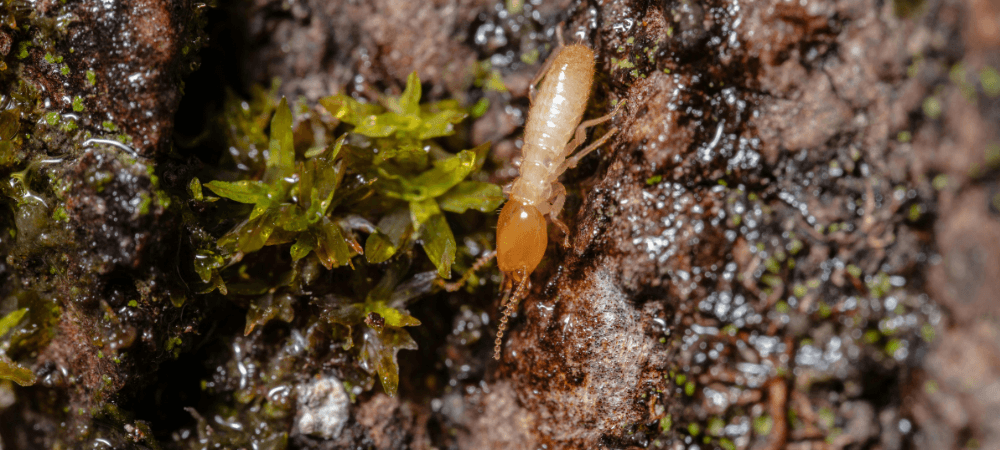
Termites cause more structural damage to North Carolina homes every year than fire and storms combined, and the eastern subterranean termite — the species behind nearly every infestation in the state — does most of that damage out of sight, inside walls and crawl spaces, long before a homeowner notices anything wrong. Catching the signs early is the difference between a routine treatment and a major repair bill.
Signs of Termites in Your Home
Subterranean termites need constant moisture and rarely expose themselves in the open, so most of the signs homeowners actually notice are indirect evidence of a colony working behind the scenes.
Mud Tubes
Pencil-width tunnels made of soil and saliva running up foundation walls, support piers, or crawl space framing are one of the clearest signs of subterranean termites. These tubes protect the colony from open air and predators as workers travel between the soil and your home's wood framing. Finding one, even a small or old one, is worth a closer inspection since it means termites have had a direct path into the structure at some point.
Discarded Wings
After a swarm, reproductive termites shed their wings almost immediately once they've landed and paired off to start a new colony. Small piles of matching, silvery-clear wings near windowsills, doors, or light fixtures are a strong sign that a swarm happened at or near your home — and possibly inside it.
Hollow or Blistered Wood
Termites feed on wood from the inside out, following the grain and leaving a thin outer layer intact. That's why damaged wood often looks normal until it's tapped or pressed — at which point it sounds hollow or feels soft and gives way more easily than it should, especially around baseboards, door frames, and window sills.
Stuck Doors and Windows
Doors and windows that suddenly become difficult to open or close are sometimes dismissed as normal home settling, but they can also be caused by warping from moisture damage and structural wood loss happening behind the frame.
Visible Tunneling in Wood
If a damaged board is cut open or breaks apart on its own, maze-like galleries running along the wood grain are a definitive sign of termite activity, not just general wood rot or age.
Why Termites Target North Carolina Homes
Termite pressure isn't uniform across the country, and North Carolina has several conditions working against homeowners specifically:
- A humid climate that keeps soil and crawl spaces consistently moist for most of the year, which is exactly what subterranean termite colonies need to survive
- A large share of older homes built on crawl space foundations, which puts untreated wood framing within easy reach of the soil below
- Mulch beds, dense landscaping, and wood-to-soil contact that are common in North Carolina yards, all of which create natural bridges into the structure
- Winters that are rarely cold enough to kill an established colony, since subterranean termites simply move deeper into the soil below the frost line and remain active year over year
Not sure if what you're seeing is termite damage?
Get a free inspectionWhen Termites Swarm in North Carolina
Termite colonies swarm to send out reproductive members and start new colonies elsewhere. Across North Carolina, that typically happens in spring, most often on a warm, humid day following rain, when winds are calm. Swarmers are drawn to light, so they often show up near windows, doors, and porch lights before shedding their wings.
A swarm outside your home isn't necessarily cause for alarm — termite colonies are common in the soil throughout the state. A swarm inside your home, however, is one of the clearest signs of an active colony already established in the structure, and it's worth a professional inspection right away.
Flying Ants vs. Termites: How to Tell the Difference
Termite swarmers and winged ants are commonly mistaken for each other, but a close look at three features gives it away:
| Feature | Termite swarmer | Flying ant |
|---|---|---|
| Antennae | Straight, bead-like | Bent or "elbowed" |
| Waist | Broad, no visible pinch | Narrow, pinched at the middle |
| Wings | Two pairs, equal in length | Two pairs, front pair longer than back |
| Body color | Pale, creamy, or dark brown | Usually darker brown or black |
How to Prevent Termites in North Carolina
Reduce Moisture Around the Foundation
Excess moisture is the single biggest draw for subterranean termites, so cutting it off is the highest-leverage prevention step.
- Direct downspouts and grade the yard so water drains away from the foundation
- Repair leaky faucets, AC condensation lines, and gutters promptly
Eliminate Wood-to-Soil Contact
Any point where wood touches soil directly gives termites a hidden, direct path into a structure.
- Store firewood and lumber off the ground and away from exterior walls
- Check that deck posts, stair stringers, and other attached structures aren't buried directly in soil
Manage Landscaping Near the Home
Mulch and dense plantings hold moisture against the foundation and can mask early signs of activity.
- Keep mulch and soil pulled back several inches from the foundation
- Trim back shrubs and dense plantings that sit directly against exterior walls
Keep Crawl Spaces Ventilated and Dry
A humid, poorly ventilated crawl space is close to ideal termite habitat.
- Keep crawl space vents clear and functioning
- Check that any vapor barrier is intact and covering exposed soil
DIY vs. Professional Termite Treatment
Store-bought sprays and stakes can kill the termites they directly contact, but a mature subterranean termite colony can number in the hundreds of thousands and extend many feet underground — well beyond what a surface treatment reaches. That's the core problem with a DIY approach: it can create a false sense that the issue is resolved while the colony continues feeding on the structure.
DIY treatment
- Only affects termites it directly contacts
- Doesn't reach the underground colony or satellite nests
- No inspection to confirm the extent of damage
- No ongoing monitoring after treatment
Professional treatment
- Full inspection to locate active colonies and damage
- Liquid soil barrier or bait station systems targeted at the colony itself
- Licensed technicians trained to identify termite species and behavior
- Ongoing monitoring and retreatment backed by a service guarantee
How Professional Termite Treatment Works
- A licensed inspector examines the foundation, crawl space, and surrounding soil for signs of activity and conditions that attract termites.
- Based on what's found, a treatment method is selected — typically a liquid soil barrier around the foundation or a network of bait stations placed in the surrounding soil.
- The treatment targets the colony itself, not just the termites visible above ground.
- Follow-up monitoring checks confirm the colony's activity has stopped and catch any new activity early.
Frequently Asked Questions
Do I actually need to worry about termites in North Carolina?
Yes. The eastern subterranean termite is established throughout the state, and most homes are within reach of an existing colony in the surrounding soil. Regular inspections are the most reliable way to catch activity before it becomes structural damage.
Can I get rid of termites myself?
Store-bought products can address termites on contact, but they don't reach the full colony underground, which is usually the source of ongoing damage. Most homeowners see better long-term results from a professional treatment paired with regular monitoring.
How much does termite treatment cost?
Cost depends on a few factors: the size of the home, the treatment method used (liquid barrier vs. bait stations), and how far an infestation has already progressed. A professional inspection is the best way to get an accurate picture for your specific home.
What's the difference between termites and flying ants?
Termite swarmers have straight antennae, a broad waist with no pinch, and two pairs of wings that are equal in length. Flying ants have bent antennae, a narrow pinched waist, and front wings that are noticeably longer than their back wings.
Do termites bite or sting people?
Termites aren't a direct threat to people or pets the way stinging insects are. Soldier termites can bite if directly handled, but termites don't target humans and their real risk is to a home's structure, not its residents.
Can termites come back after treatment?
A treated colony shouldn't survive a properly applied treatment, but a new colony can still move into the same soil later on. That's why ongoing monitoring and periodic retreatment matter even after an initial treatment succeeds.
How long does it take to notice termite damage?
Often months or even years. Termites work from the inside of the wood outward, so a structure can sustain real damage well before any visible sign appears on the surface — which is part of why regular inspections matter more than waiting for obvious symptoms.
Does termite damage affect selling a home in North Carolina?
It can. North Carolina real estate transactions commonly involve a wood-destroying insect inspection report, and past damage or active activity typically needs to be disclosed. Buyers and lenders often want that report cleared before closing, so resolving termite issues ahead of a sale can prevent delays.
What time of year is best to schedule a termite inspection?
Any time is better than not at all, but many homeowners schedule ahead of spring swarm season or immediately after noticing a possible sign. An annual inspection regardless of season is the general recommendation.
Get a free inspection and quote from Pest-X — no obligation.