
Ticks in North Carolina: Identification, Risks and Prevention
The Short Answer
Ticks are small, blood-feeding parasites that latch onto skin — often for hours or days — after brushing past tall grass, leaf litter, or wooded edges. North Carolina's warm, humid climate and abundant wildlife make it a year-round tick habitat, so the best defense is a combination of yard maintenance, personal precautions when outdoors, and prompt, correct tick removal if one attaches.
How To Identify A Tick Problem
Ticks don't announce themselves the way flying or crawling household pests do. Most people discover a tick issue only after finding one attached, noticing pet scratching, or spotting a bite mark after time spent outdoors. Knowing what to look for in each of these situations makes it easier to catch a problem early.
Finding An Attached Tick
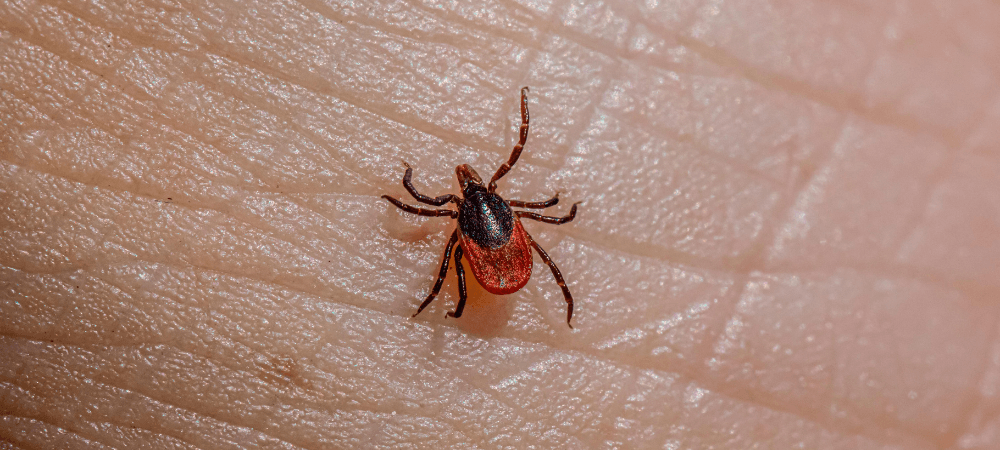
An attached tick is small — ranging from the size of a poppy seed (larval or nymph stage) to a sesame seed or small grape once engorged with blood. Ticks favor warm, hidden areas of the body: the scalp, behind the ears, underarms, waistband, and behind the knees. Because their saliva contains a mild numbing agent, many people don't feel the bite at all, which is why a full-body check after time outdoors is the most reliable way to catch one.
Tick Habitat In The Yard
Ticks don't jump or fly — they "quest," climbing to the tip of tall grass or low brush and grabbing onto a passing host. Look for tick-prone zones where lawn meets woods, along fence lines with overgrown vegetation, near stacked firewood or leaf piles, and in shaded, unmown areas where humidity stays high. These edge habitats are where most residential tick encounters happen.
Signs Of Pet Exposure
Pets are often the first indicator of a tick presence on a property. Watch for a dog or cat scratching at a specific spot repeatedly, small scabs or bumps in the fur, visible ticks around the ears, neck, or paws, and unusual lethargy, which can sometimes accompany a tick-borne illness in animals. Regular tick checks after pets spend time outdoors — especially in wooded or grassy areas — can catch an attached tick before it's had time to feed.
What A Tick Bite Looks Like
A typical tick bite appears as a small, red, sometimes slightly swollen bump at the site of attachment. Unlike a cluster of mosquito or chigger bites, a tick bite is usually a single, isolated mark. Some people develop a small area of redness around the bite that fades within a few days; others develop no visible reaction at all. Any bite accompanied by an expanding rash, fever, fatigue, joint pain, or flu-like symptoms in the days or weeks following should be evaluated by a doctor.
Why Ticks Target North Carolina Yards
North Carolina's climate and landscape create conditions ticks thrive in. Understanding the root causes helps explain why tick pressure tends to return year after year if left unaddressed.
- Warm, humid conditions across much of the state allow ticks to stay active for most of the year rather than dying off in a hard winter.
- Wooded lots, brushy fence lines, and unmaintained landscape edges provide the shaded, moisture-retaining cover ticks need to survive between feedings.
- Deer, rodents, and other wildlife hosts move ticks from natural areas into residential yards, often dropping engorged females that lay eggs on the property.
- Leaf litter, tall grass, and dense ground cover create ideal questing spots close to where people and pets walk.
Worried ticks have moved into your yard?
Get A Free QuoteTicks Vs. Chiggers
Ticks and chiggers are two of the most commonly confused outdoor pests in North Carolina, since both are picked up in tall grass and cause itchy, unexplained bites. Here's how to tell them apart.
| Feature | Ticks | Chiggers |
|---|---|---|
| Appearance | Small, flat, oval-bodied arachnid; visible to the naked eye and grows larger as it feeds | Nearly microscopic mite larvae; typically too small to see without magnification |
| Bite Pattern & Location | Usually a single isolated bite where the tick attached and fed | Clusters of intensely itchy red welts, often around ankles, waistband, or skin folds where clothing fits snugly |
| How Long They Stay Attached | Can remain attached and feeding for several hours to a few days if undetected | Feed briefly on skin cells, then typically drop off within a few hours, leaving behind itchy welts |
How To Prevent Ticks In North Carolina
Because ticks arrive on a property via wildlife and thrive in unmaintained landscaping, prevention is largely about removing the conditions that attract them and reducing personal exposure.
Yard Maintenance And Mowing
Keeping grass mowed short, trimming back brush, and clearing leaf litter reduces the humid, shaded microclimates ticks rely on. Regular yard maintenance is one of the simplest and most effective ways to lower tick activity close to the home.
Creating A Barrier Zone
A three-foot buffer of wood chips or gravel between lawn and wooded or brushy areas can help limit tick migration into the yard. Keeping this barrier zone clear of overgrown vegetation and stacked debris makes it harder for ticks to cross from natural habitat into areas where people and pets spend time.
Pet Prevention
Since pets can carry ticks directly into the home, routine tick checks after outdoor time, veterinarian-recommended preventives, and keeping pets out of tall grass and wooded areas all help reduce exposure for both animals and the household.
Personal Precautions When Outdoors
When spending time in grassy or wooded areas, wearing long pants tucked into socks, using an EPA-registered repellent, sticking to the center of trails, and showering and checking for ticks soon after coming indoors all reduce the chance of a tick going unnoticed.
DIY Vs. Professional Tick Treatment
DIY Approach
- Works best for small, low-pressure yards with limited wooded edge
- Requires repeated applications throughout the season to maintain any effect
- Store-bought sprays and granules typically treat surface areas only, not deeper harborage zones
- No professional assessment of the specific habitat conditions driving the infestation
- Easy to miss key questing zones like leaf litter, brush piles, and fence lines
Professional Approach
- Trained technicians identify and target the specific habitat zones ticks are using on the property
- Treatments are formulated and applied for sustained control across a full season
- Ongoing service visits allow for adjustments based on seasonal activity
- Addresses the yard as a whole system — perimeter, transition zones, and high-traffic areas
- Reduces the guesswork and repeated re-application that DIY products require
How Professional Tick Treatment Works
- Property Inspection: A technician walks the property to identify tick-prone zones, including wooded edges, brush lines, tall grass, and areas with heavy wildlife traffic.
- Perimeter And Barrier Treatment: Targeted applications are made along the yard's perimeter and at the transition points between lawn and wooded or brushy areas, where ticks most commonly enter.
- Habitat-Focused Application: Additional treatment is applied to leaf litter, shaded ground cover, and other harborage areas where ticks rest and quest between feedings.
- Seasonal Follow-Up: Because tick activity fluctuates with temperature and humidity, ongoing visits help maintain control as conditions change throughout the year.
- Monitoring And Adjustments: Treatment plans are reassessed over time based on the property's specific pressure and any changes in surrounding wildlife activity or landscaping.
Frequently Asked Questions
How can I tell if I have a tick problem versus another biting pest?
Tick bites are usually single and isolated, and you may find an actual tick attached to skin, clothing, or a pet. Clustered itchy welts around the ankles or waistband are more typical of chiggers, while mosquito bites tend to appear as scattered, puffy bumps.
Are ticks in North Carolina dangerous?
Some ticks in North Carolina can carry pathogens that cause illnesses such as Rocky Mountain spotted fever, ehrlichiosis, and, less commonly, Lyme disease. Not every tick is infected, and not every bite leads to illness, but any bite followed by a rash, fever, fatigue, or joint pain warrants a visit to a doctor. This content is educational and not medical advice.
How do I safely remove an attached tick?
Use clean, fine-tipped tweezers to grasp the tick as close to the skin's surface as possible, then pull upward with steady, even pressure — avoid twisting or crushing it. Clean the bite area and your hands afterward, and monitor the site for several weeks. If you're unsure about proper removal or develop symptoms afterward, contact a doctor.
Should I see a doctor after a tick bite?
If you're unsure how long the tick was attached, can't remove it fully, or notice a rash, fever, fatigue, or joint pain in the days or weeks following the bite, it's best to consult a doctor. This page does not provide medical advice or diagnosis.
What time of year are ticks most active in North Carolina?
Ticks can be active nearly year-round in North Carolina's mild climate, with activity typically increasing in spring and summer when humidity and vegetation growth peak.
Can I treat my yard for ticks myself?
DIY sprays and granules can offer short-term, surface-level reduction in low-pressure yards, but they typically require frequent reapplication and often miss deeper harborage areas like leaf litter and brush piles. Yards with significant wooded edge or wildlife traffic generally see more consistent results from a professional program.
What factors affect the cost of professional tick treatment?
Cost factors typically include the size of the property, the amount of wooded or brushy edge habitat present, the level of existing tick activity, and how many treatment visits are needed to maintain control through the season. A property assessment is the best way to understand what a specific yard needs.
Do ticks only come from wooded areas, or can they be a problem in a regular yard?
While ticks are most concentrated in wooded and brushy habitat, they're routinely carried into ordinary residential yards by deer, rodents, and other wildlife — especially yards with tall grass, leaf litter, or landscaping that borders natural areas.
When should I call a professional for tick control?
If you're regularly finding ticks on people or pets, your property borders wooded or brushy land, or DIY treatments haven't reduced activity, it's a good time to have a professional assess the yard and recommend a treatment plan.
Take Ticks Off Your Property's To-Do List
Get a professional tick assessment for your North Carolina yard.