
Yellowjackets in North Carolina: How to Identify a Nest and Stay Safe
Quick Answer
Yellowjackets are aggressive, ground- and cavity-nesting wasps that become a real safety concern in North Carolina yards from mid-summer through fall, when colonies peak in size and defend their nests aggressively. Unlike bees, they can sting repeatedly, and a hidden nest near a home is one of the more dangerous pest situations a homeowner can stumble into. If you've spotted repeated activity around a hole in the ground, a wall void, or an eave, it's worth having the nest identified and addressed before someone gets stung.
Identification & Signs of a Yellowjacket Problem
Yellowjackets are frequently mistaken for bees or other wasps, but a few consistent traits and behaviors set them apart. Knowing what to look for helps you catch a nest early, before it grows into a larger colony later in the season.
What Yellowjackets Look Like
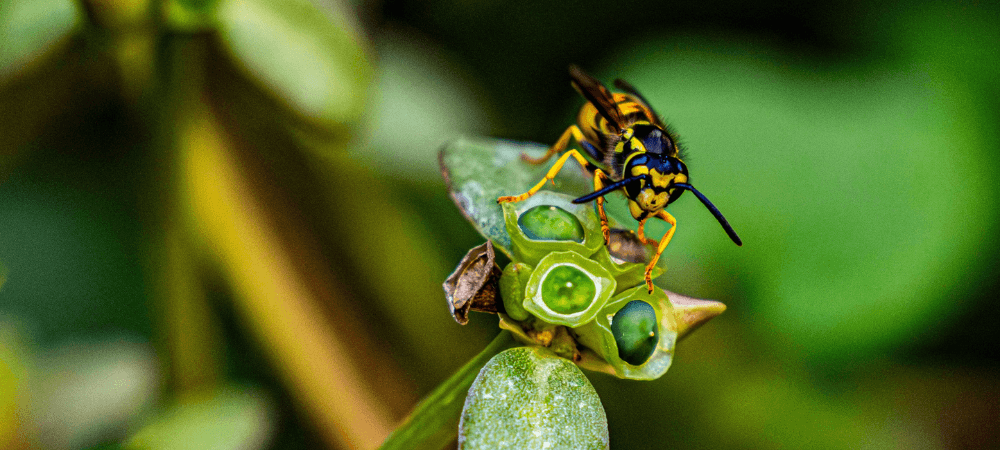
Yellowjackets have smooth, shiny bodies with bold black and yellow (or sometimes black and white) banding, and a narrow, pinched waist. Unlike bumble bees or honey bees, they are not fuzzy or hairy, which is one of the easiest visual cues for telling them apart from bees at a glance.
Common Nesting Locations
Many yellowjacket species in North Carolina nest underground, often taking over abandoned rodent burrows, or in other enclosed cavities such as wall voids, hollow trees, attics, and beneath decks or sheds. Some species build exposed aerial nests in shrubs, trees, or under eaves. Ground and void nests are especially risky because they're easy to disturb without warning, such as when mowing, gardening, or walking near a nest entrance.
Signs of Nest Activity
Look for steady, repeated wasp traffic in and out of a small hole in the ground, a gap in siding, or a vent. Increased activity around outdoor trash cans, sugary drinks, or food at cookouts is also common, since yellowjackets are drawn to protein and sweets, particularly in late summer and fall.
Aggression Triggers
Yellowjackets are generally more defensive than many other stinging insects, especially once a colony is established and the nest is mature later in the season. Vibration, movement near the nest entrance, and disturbing the nest structure itself (even indirectly, such as with a lawn mower) can trigger a rapid, coordinated defensive response from multiple workers at once.
Seasonal Behavior Patterns
Colonies typically build gradually over spring and summer, with populations and aggression generally peaking in late summer into fall as the colony reaches its largest size and food sources like fruit and human food become more attractive. In most of North Carolina, colonies do not survive winter, though new queens emerge in spring to start new nests elsewhere.
Why Yellowjackets Target North Carolina Homes
North Carolina's warm, humid climate and long active season give yellowjacket colonies plenty of time to grow before the first hard frost. Yards with mulch beds, woodpiles, loose soil, or old rodent burrows offer easy-to-adapt nesting cavities, while decks, sheds, and siding gaps provide sheltered voids that are difficult to inspect visually. Homes near wooded lots or with fruit trees, active compost, or uncovered trash also tend to see more foraging activity, since these are reliable food sources that keep a colony coming back to the same property. Once a nest is established near frequently used outdoor space — a patio, play area, or garden bed — the risk of an accidental encounter rises sharply as the colony matures.
Think you may have a yellowjacket nest on your property?
Get a Free QuoteYellowjackets vs. Paper Wasps
These two stinging insects are commonly confused, but their nests and temperament differ in ways that matter for how a situation should be handled.
| Trait | Yellowjackets | Paper Wasps |
|---|---|---|
| Nest Shape & Location | Enclosed, papery nests underground, in wall voids, or in hollow cavities; some build enclosed aerial nests | Open, umbrella-shaped comb hanging from eaves, branches, or railings with visible cells |
| Body Appearance | Smooth, shiny black-and-yellow body with a compact, fast flight pattern | Slender body with long, dangling legs visible in flight, often more muted brown-and-yellow coloring |
| Aggression Level | Generally more defensive, especially near the nest, and can sting repeatedly in numbers | Typically less aggressive unless the nest is directly disturbed or touched |
How to Prevent Yellowjackets in North Carolina
Prevention focuses on removing what draws yellowjackets to a property in the first place and closing off the spaces they like to nest in.
Seal Potential Nesting Cavities
- Fill in old rodent burrows and gaps near the foundation
- Seal cracks in siding, soffits, and around utility lines
- Screen vents and repair damaged weep holes
Manage Food & Odor Sources
- Keep outdoor trash cans tightly lidded and away from entryways
- Clean up fallen fruit and food debris promptly
- Cover sweet drinks and food during outdoor gatherings
Reduce Attractive Landscaping Conditions
- Trim overgrown shrubs and limit dense ground cover near the home
- Keep compost bins sealed and positioned away from high-traffic areas
- Inspect decks, sheds, and eaves periodically for early nest activity
Monitor High-Risk Areas Through the Season
- Check known problem spots more often as summer progresses
- Watch for repeated wasp traffic near a single point, which often signals a nest nearby
- Address suspected nests early, while colonies are smaller
DIY vs. Professional Yellowjacket Treatment
Yellowjackets carry more real-world risk than many other pests homeowners try to handle on their own. Because a colony can contain many workers that respond together to a disturbed nest, a DIY attempt gone wrong can result in multiple stings in a short period, which raises the risk of a serious allergic reaction, even for people with no known sensitivity.
DIY Approach
- Store-bought aerosol sprays may only reach part of an underground or void nest
- Disturbing a nest without full protective gear increases sting risk significantly
- Incomplete treatment can agitate a colony rather than eliminate it
- Ground and wall-void nests are often larger than they appear from the entrance
Professional Treatment
- Trained technicians use protective equipment suited for stinging insect work
- Treatment is matched to the nest type, whether ground, void, or aerial
- Follow-up confirms the colony has been fully addressed
- Reduces the chance of repeated stings during removal
How Professional Yellowjacket Treatment Works
- A technician inspects the property to locate the nest, confirm the species, and assess whether it's a ground, void, or aerial nest.
- Based on the nest location and colony size, a targeted treatment approach is selected to reach the nest safely and effectively.
- Treatment is applied directly to the nest, timed to minimize activity and reduce the chance of a defensive swarm response.
- The area is monitored for remaining activity, since some nests require a follow-up visit to confirm the colony has been fully eliminated.
- Once activity has stopped, the technician may recommend sealing the entry point or void to prevent reuse of the same cavity in the future.
Frequently Asked Questions
How can I tell a yellowjacket apart from a bee?
Yellowjackets have smooth, shiny bodies without the fuzzy hair bees have, along with a narrower waist and faster, more darting flight pattern.
Are yellowjacket stings dangerous?
A single sting typically causes localized pain and swelling, but yellowjackets can sting multiple times, and some people experience more serious allergic reactions. Anyone with a known sting allergy or symptoms like difficulty breathing or widespread swelling should seek medical attention right away.
Do yellowjackets nest in the ground or above it?
Many yellowjacket species commonly nest underground or in enclosed voids such as wall cavities, though some species build exposed aerial nests in shrubs, trees, or under eaves.
How do I know if a nest is still active?
Consistent, repeated wasp traffic in and out of the same entry point, especially during daylight hours, is the clearest sign of an active nest. Activity generally increases through late summer as the colony grows.
Why is DIY yellowjacket removal considered risky?
Disturbing a nest without proper protective equipment can trigger a coordinated defensive response from many workers at once, increasing the chance of multiple stings and a more serious allergic reaction.
What factors affect the cost of professional yellowjacket treatment?
Cost can vary based on the nest's location (ground, void, or aerial), how large the colony has grown, how accessible the nest is, and whether follow-up treatment or entry-point sealing is needed.
When should I call a professional instead of handling it myself?
If you've located an active nest, especially one that's underground, inside a wall void, or in a hard-to-reach area, it's best to have a professional assess and treat it rather than attempting removal yourself.
Do yellowjackets return to the same nest site every year?
Individual nests typically don't survive winter in North Carolina, but new queens that emerge in spring often seek out similar cavities, so a property with favorable nesting conditions can see repeat activity in following seasons.
What should I do if I get stung multiple times?
Move away from the area calmly rather than swatting, since rapid movement can attract more stings. Watch for signs of a severe allergic reaction, and seek medical care promptly if breathing difficulty, dizziness, or widespread swelling develops.
Spotted a Yellowjacket Nest on Your Property?
Get a professional assessment before it becomes a bigger risk.